
Ripley is a giant biology teacher at Elbaph’s Walrus School and the mother of Colon. She becomes important in the One Piece anime because she explains how King Harald’s reforms changed Elbaph from a society centered only on warfare into one that also values education, trade, and peaceful contact with the outside world.
Ripley is not introduced as a major fighter or royal figure. Her importance comes from something rarer in One Piece: she shows viewers what everyday life, parenting, and education look like on the island of giants.
Anime spoiler note: This guide covers Ripley’s role through the Elbaph anime arc and avoids later manga developments.
Who Is Ripley in One Piece?
Ripley is an Elbaph giant who teaches biology at the Walrus School. Luffy, Usopp, and other visitors encounter her while exploring the island’s Sun World.
Her conversation with the Straw Hats gives the anime a clear explanation of Elbaph’s cultural transition. The giants remain proud of their warrior heritage, but younger generations are not being raised to see combat as their only future.
Ripley also has a direct family connection to Colon, the energetic half-giant boy who challenges Luffy. That makes her both an educator shaping Elbaph’s children and a mother raising one of the island’s most adventurous young characters.
Ripley Profile
| Detail | Answer |
|---|---|
| Name | Ripley |
| Race | Giant |
| Home | Elbaph |
| Occupation | Biology teacher |
| School | Walrus School |
| Known child | Colon |
| Anime debut | Episode 1164 |
| Status | Alive |
What Does Ripley Do at Walrus School?
Ripley teaches biology at Walrus School, the educational center attended by Elbaph’s children. Her profession immediately challenges the narrow image of giants as people concerned only with battle.
The school reflects King Harald’s attempt to modernize Elbaph. Education gives young giants skills and knowledge beyond traditional warrior training. Ripley represents that change in practical form: she is one of the adults responsible for teaching the next generation.
This does not mean she rejects Elbaph’s identity. Ripley understands the island’s traditions and raises Colon with respect for courage. Her role shows that education and warrior pride can exist together.
Why Ripley Matters to Elbaph’s World-Building
Elbaph had been discussed for decades before the Straw Hats finally arrived. Earlier arcs mostly showed giants as proud warriors, pirates, or legendary fighters. Ripley expands that picture.
Through her, viewers learn that Elbaph has:
- Formal schools and specialized teachers
- Children with goals beyond becoming warriors
- Debates about tradition and social reform
- Trade relationships and interest in other nations
- Families navigating cultural change
That information makes Elbaph feel like a functioning country instead of a battlefield waiting for the Straw Hats. It also provides useful context for the island’s royal conflict and the complicated reputation of Loki in One Piece.
How King Harald Changed Ripley’s Elbaph
Ripley explains that the late King Harald encouraged Elbaph to move away from constant warfare. He valued trade and diplomacy, opening the giants to ideas and relationships beyond their island.
The change affected children most visibly. The younger giants at Walrus School do not automatically dream of becoming violent warriors. Some older giants may see that as weakness, while reform-minded residents see it as progress.
Ripley stands near the center of this debate. As a teacher, she helps carry the reforms into daily life. As Colon’s mother, she also understands that courage and physical ambition remain powerful parts of giant culture.
Is Ripley Colon’s Mother?
Yes. Ripley is Colon’s mother.
Colon is a young half-giant who admires powerful pirates and eagerly tests himself against Luffy. His confidence and warrior spirit contrast with the calmer educational environment around him.
The contrast does not make Ripley a careless parent. It shows how Elbaph’s social change works inside one family. Colon is free to admire warriors, while Ripley belongs to the generation building alternatives to endless conflict.
Who Is Colon’s Father?
The anime connects Ripley’s family to Scopper Gaban, the former Roger Pirate living on Elbaph. Gaban is the human father of Colon, making Colon a child of both human and giant heritage.
This family link explains why Ripley is receiving more search interest as Gaban becomes active in the anime. It also gives Gaban a life beyond his old crew. He is not only a surviving Roger Pirate; he became part of an Elbaph family.
For Gaban’s history, weapons, and titles, read Who Is Scopper Gaban?
Is Ripley a Warrior?
Ripley is a giant from a warrior society, but the anime primarily identifies her as a biology teacher. It has not presented a full combat record or named fighting style for her.
Giants naturally possess enormous physical strength compared with ordinary humans, so Ripley should not be assumed helpless. Still, describing her as one of Elbaph’s strongest fighters would go beyond confirmed anime evidence.
Her influence is educational and cultural. One Piece often gives noncombat characters important roles by letting them explain how an island thinks, changes, and remembers its past.
What Does Ripley Look Like?
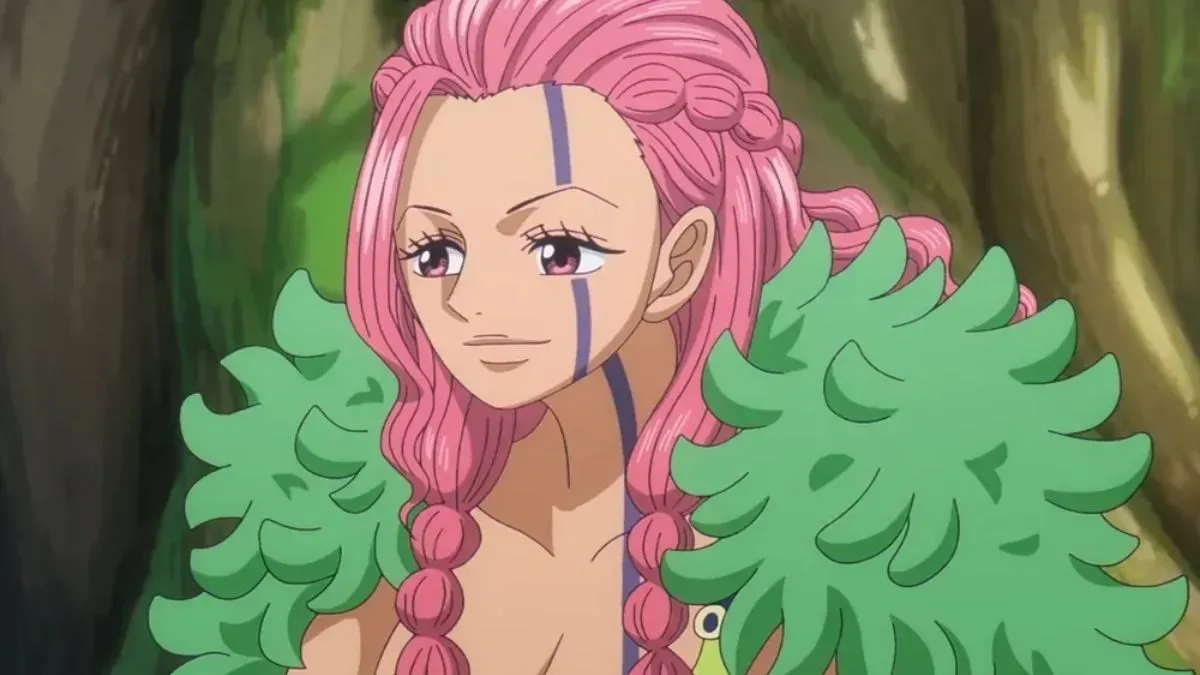
Ripley is a towering giant woman with long light-colored hair and the exaggerated proportions common to Elbaph’s residents. Her design balances the island’s rugged visual language with the approachable presence of a teacher.
Her size creates some of the anime’s visual comedy when human-sized visitors interact with her. The humor does not erase her authority: she speaks confidently about Elbaph’s society and understands the island’s reforms better than the newly arrived Straw Hats.
What Episode Does Ripley Appear In?
Ripley makes her anime debut in One Piece Episode 1164, “Saul’s Resolve — The Inherited Will of Ohara.” The episode brings the Straw Hats deeper into Elbaph and introduces viewers to more of the island’s residents and institutions.
Her role continues as the anime explores Walrus School, Colon, and the cultural effects of Harald’s rule.
Why Is Ripley Trending?
Google Trends recorded “Ripley One Piece” as a rising U.S. search during the week when the anime revealed more about Scopper Gaban and his Elbaph life.
The interest has two connected causes:
- Anime viewers are meeting Ripley as an unfamiliar Elbaph character.
- Gaban’s reveal makes viewers search for his relationships and present-day family.
Unlike an episode release query, “Who is Ripley?” has evergreen intent. New viewers will keep asking the same question as they reach the Elbaph arc later.
Ripley’s Connection to Elbaph’s Larger Conflict
Ripley is not leading the island’s political struggle, but the life she represents is part of what Elbaph stands to lose.
The island faces pressure from forces tied to the World Government and the Knights of God. Walrus School, peaceful reform, and children like Colon show the human cost behind that conflict. Elbaph is not only a land of legendary weapons and powerful giants. It is a home with teachers, students, and families.
Frequently Asked Questions
Is Ripley a giant in One Piece?
Yes. Ripley is a female giant who lives on Elbaph.
What does Ripley teach?
Ripley teaches biology at Elbaph’s Walrus School.
Is Ripley Colon’s mother?
Yes. Ripley is the mother of Colon, the young half-giant who challenges Luffy.
Is Scopper Gaban Colon’s father?
Yes. Scopper Gaban is connected to Ripley as Colon’s human father.
Does Ripley have a Devil Fruit?
No Devil Fruit has been confirmed for Ripley in the anime.
Is Ripley based on a real person?
One Piece frequently uses names inspired by history, mythology, and popular culture, but the anime has not provided an official statement confirming one specific real-world model for Ripley.
Final Answer
Ripley is Elbaph’s giant biology teacher, Colon’s mother, and one of the characters who best explains how the island is changing. Her role is less about winning battles and more about making Elbaph believable as a society.
Through Ripley, the anime shows that the giants’ future will be shaped not only by legendary warriors and royal conflicts, but also by teachers, children, families, and the debate between tradition and reform.
