


Being the “best” anime and being the “most watched” anime are two different things. A critically perfect 24-episode thriller doesn’t reach the same audience as a 1,000+ episode adventure that’s been airing for 25 years across every continent. This list is about raw reach. Which anime have the most eyeballs on them? Which ones crossed over from niche fandom into global mainstream entertainment?
We ranked the most watched anime of all time using a combination of streaming viewership data (Netflix, Crunchyroll, Bilibili), TV broadcast reach, franchise revenue as a proxy for audience size, manga sales that drive viewership, and cultural penetration across age groups and countries. These are the anime that your parents, your coworkers, and people who “don’t watch anime” have still probably seen at least one episode of.
The Top 10 Most Watched Anime Ranked
| # | Anime | Episodes | Franchise Revenue | Status |
|---|---|---|---|---|
| 1 | Pokemon | 1,200+ | $100B+ | Ongoing |
| 2 | Dragon Ball (franchise) | 600+ | $30B+ | Ongoing |
| 3 | One Piece | 1,100+ | $14.5B+ | Ongoing |
| 4 | Naruto (franchise) | 720 | $10B+ | Completed |
| 5 | Attack on Titan | 94 | $4B+ | Completed |
| 6 | Demon Slayer | 63 + movies | $8B+ | Ongoing |
| 7 | Jujutsu Kaisen | 72+ | $3B+ | Ongoing |
| 8 | Death Note | 37 | $2B+ | Completed |
| 9 | My Hero Academia | 138+ | $3B+ | Completed |
| 10 | Bleach | 366 + TYBW | $4B+ | Ongoing (TYBW) |
How We Measured “Most Watched”
There’s no single database that tracks every anime viewer across every platform, TV broadcast, and country. So we used multiple data points together. Netflix published viewership data showing Naruto as the most watched anime franchise on their platform with 330 million hours streamed in the second half of 2024 alone. Bilibili (Asia’s largest anime streaming platform) shows One Piece with over 2.1 billion views. Crunchyroll named Jujutsu Kaisen its most watched series in 2023 with over 20 million views.
Beyond streaming, we factored in TV syndication reach. Pokemon and Dragon Ball were broadcast in over 100 countries during the 1990s and 2000s, reaching audiences who never used a streaming platform. Franchise revenue serves as a proxy for total audience size because people don’t spend billions on merchandise, games, and movies for shows they haven’t watched. And manga sales indicate the combined readership and viewership ecosystem that drives anime consumption.
The result is a list that favors anime with massive global reach across decades rather than anime that spiked in one particular year. Longevity, accessibility, and cross-generational appeal are what separate the most watched anime of all time from anime that’s merely popular right now.
The 10 Most Watched Anime of All Time
1. Pokemon
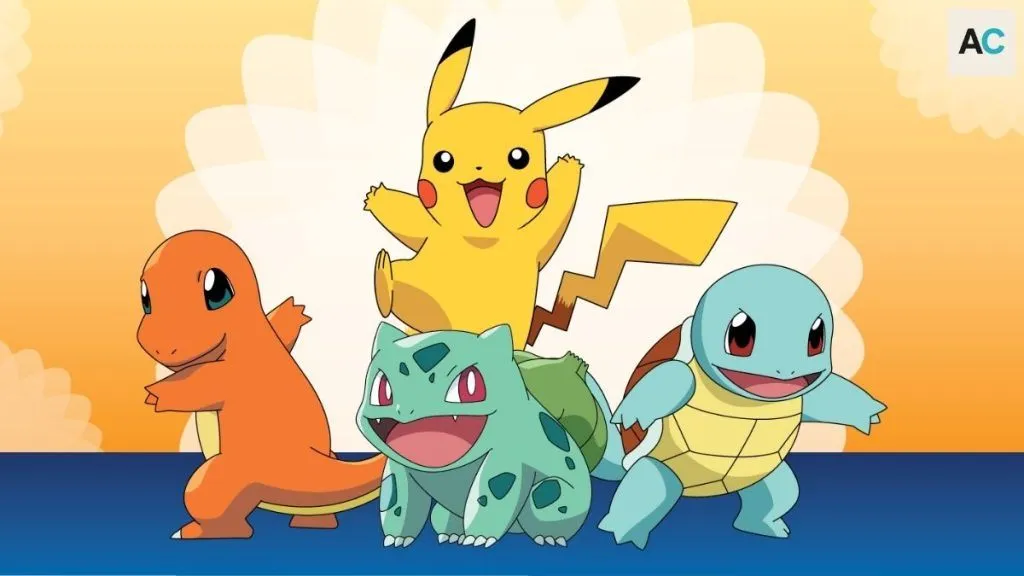
Episodes: 1,200+ | Aired: 1997-present | Franchise Revenue: $100B+
No anime comes close to Pokemon’s global reach. The franchise is the highest-grossing media property in history at over $100 billion, surpassing Star Wars, Marvel, and Mickey Mouse. The anime has been broadcast in over 160 countries. Ash Ketchum and Pikachu are recognized by people who have never intentionally watched a single episode of anime in their lives.
The anime spans over 1,200 episodes across multiple series, from the original 1997 show through Sun and Moon, Journeys, and the current Pokemon Horizons. Ash’s original run alone covered over 1,000 episodes before his story concluded and the series shifted to new protagonists. The films, video games, trading card game, and merchandise create an ecosystem where the anime is just one entry point into a much larger world.
Pokemon’s viewership is impossible to calculate precisely because it predates modern streaming metrics and was broadcast terrestrially across the globe. But the combination of decades of TV syndication, billions in game sales (over 480 million units sold), and the cultural ubiquity of characters like Pikachu make it the undisputed #1 most watched anime ever. It’s not even close.
2. Dragon Ball (Franchise)
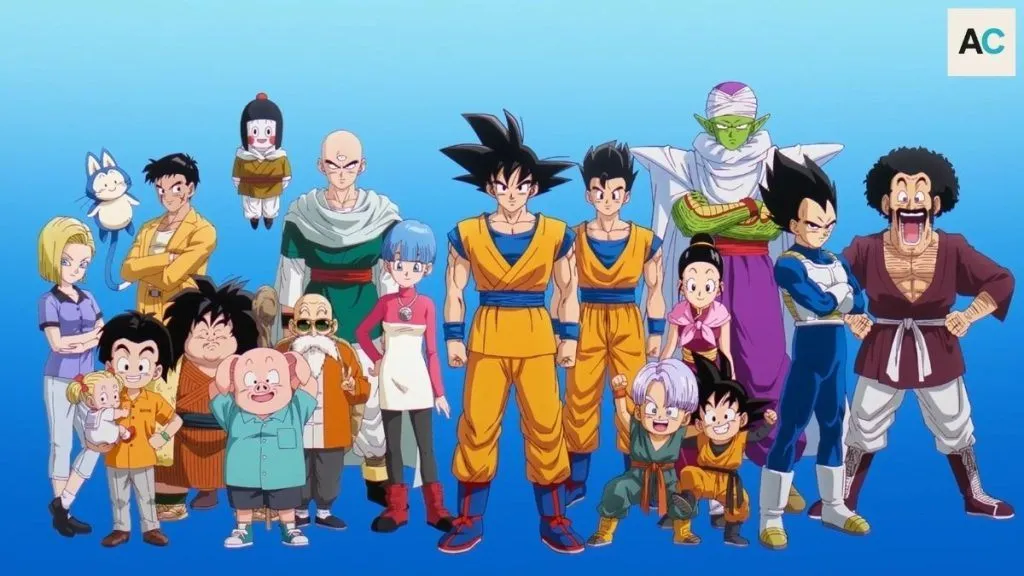
Episodes: 600+ (DB + DBZ + DBS + DAIMA) | Aired: 1986-present | Franchise Revenue: $30B+
Dragon Ball is the anime that made anime global. In the 1990s, Dragon Ball Z was broadcast across North America, Latin America, Europe, Africa, and Asia simultaneously. It wasn’t just popular. It was a cultural event. The Frieza saga and the first Super Saiyan transformation are moments that entire generations experienced together.
The franchise spans Dragon Ball (153 episodes), Dragon Ball Z (291 episodes), Dragon Ball Super (131 episodes), Dragon Ball DAIMA (2024), plus over 20 films. Dragon Ball Z alone was broadcast in over 80 countries. In Latin America specifically, Dragon Ball is arguably more culturally significant than any other anime franchise including Pokemon.
The franchise has generated over $30 billion in revenue across anime, manga (260+ million copies sold), video games (over 25 million copies for recent titles alone), and merchandise. Dragon Ball FighterZ and the Xenoverse series brought the franchise to millions of gamers. Goku’s Kamehameha is one of the most recognized fictional attacks in the world. Dragon Ball isn’t just watched. It’s woven into global pop culture at a fundamental level.
3. One Piece

Episodes: 1,100+ (now seasonal) | Aired: 1999-present | Franchise Revenue: $14.5B+
One Piece is the best-selling manga of all time with over 500 million copies sold. On Bilibili, the anime has accumulated over 2.1 billion views, making it the most watched anime on the platform. On Netflix, One Piece was the second most watched anime franchise in 2024 with 316 million hours streamed.
The anime crossed 1,100 episodes before switching to a seasonal format in April 2026, now capping at 26 episodes per year for the Elbaph arc. A WIT Studio remake of the early arcs is also in production. The Netflix live-action adaptation, which released its second season in 2026, brought millions of non-anime viewers into the franchise for the first time.
One Piece’s viewership is concentrated heavily in Japan (where it dominates), but its global reach has expanded enormously through streaming. The combination of the longest-running modern anime, the best-selling manga ever, a hit live-action series, and a massive merchandise empire makes One Piece one of the most consumed entertainment properties on the planet.
4. Naruto (Franchise)

Episodes: 720 (Naruto + Shippuden) | Aired: 2002-2017 | Franchise Revenue: $10B+
Naruto is officially the most watched anime franchise on Netflix, with 330 million hours streamed in just the second half of 2024. That number is remarkable for a series that finished airing in 2017. The franchise remains massively popular because new audiences keep discovering it through streaming platforms, and existing fans continue rewatching their favorite arcs.
The combined Naruto + Shippuden run of 720 episodes was broadcast across dozens of countries during the 2000s and 2010s. Along with Dragon Ball and One Piece, Naruto was part of the “Big Three” that defined mainstream anime for a generation. An estimated 250 million viewers worldwide have watched the series at some point, according to industry estimates.
The manga has sold over 250 million copies. The franchise includes multiple films, video games (the Ultimate Ninja Storm series sold over 25 million copies), and the sequel series Boruto. Naruto’s cultural impact extends beyond anime. The “Naruto run” became a globally recognized meme. Characters like Kakashi, Itachi, and Sasuke are household names in anime communities everywhere.
5. Attack on Titan

Episodes: 94 | Aired: 2013-2023 | Global Viewers: 100M+ estimated
Attack on Titan is the anime that brought the largest wave of new viewers into the medium since Dragon Ball Z. An estimated 100+ million viewers globally have watched the series, and its manga has sold over 110 million copies. Two of its episodes rank among IMDb’s highest-rated TV episodes of all time, across all genres and mediums.
At just 94 episodes, Attack on Titan has a fraction of the episode count of other entries on this list. Its viewership dominance comes from intensity, not length. Every season premiere was treated as a global event. Season 4’s Final Season generated massive streaming spikes on Crunchyroll and Funimation. The series trended worldwide on social media with nearly every major episode.
Attack on Titan proved that a shorter, more intense anime could generate viewership comparable to long-running franchises. Its crossover appeal brought in viewers from live-action fandoms who had never watched anime before. The controversial ending sparked debates that kept the series in the cultural conversation long after its finale aired.
6. Demon Slayer: Kimetsu no Yaiba
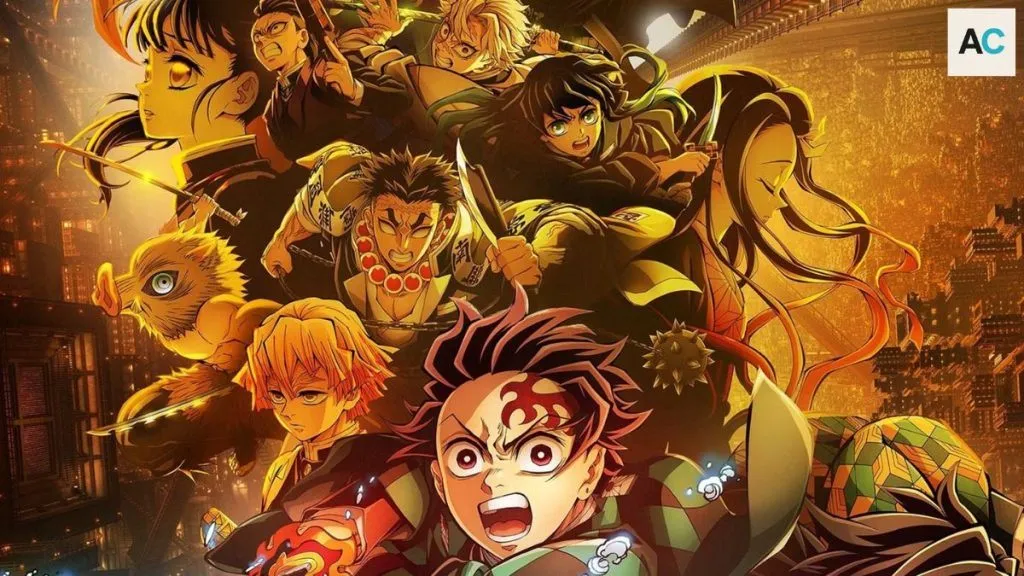
Episodes: 63 + movies | Aired: 2019-present | Franchise Revenue: $8B+
Demon Slayer has the most impressive viewership-to-episode ratio of any anime ever. With just 63 TV episodes and one movie, it has generated over $8 billion in franchise revenue and over 153 million views on Netflix since January 2023. The Mugen Train movie became the highest-grossing film in Japanese box office history at $504 million.
On Netflix specifically, more people per episode are watching Demon Slayer than Naruto, Pokemon, or One Piece. When you divide total views by available episodes, Demon Slayer crushes everything on this list. That’s the power of ufotable’s breathtaking animation combined with a simple but emotionally powerful story.
The Infinity Castle trilogy of movies (first released 2025) is continuing to drive massive viewership. Demon Slayer merchandise sales in Japan alone exceeded $2 billion in a single year. The series is still relatively new compared to the long-running giants on this list, but its velocity of viewership growth is unprecedented. It’s the fastest-growing anime franchise in history.
7. Jujutsu Kaisen

Episodes: 72+ | Aired: 2020-present | Franchise Revenue: $3B+
Jujutsu Kaisen was Crunchyroll’s most watched anime in 2023 with over 20 million views. Season 3 (Winter 2026) covering the Culling Game arc delivered record streaming numbers and a finale that trended globally. MAPPA’s animation quality makes every episode a shareable social media event, driving viewership beyond the traditional anime audience.
The manga has sold over 90 million copies. The prequel movie, Jujutsu Kaisen 0, earned $188 million at the box office. JJK’s popularity exploded in a way that mirrors Demon Slayer’s trajectory. Both franchises benefited from the post-pandemic streaming boom that made anime more accessible to mainstream audiences worldwide.
JJK’s viewership strength comes from its consistency. Unlike some anime that peak with one arc and decline, every season of JJK has maintained or increased its audience. Season 4 is expected to continue the Culling Game, and the series shows no signs of slowing down in terms of viewership or cultural relevance.
8. Death Note

Episodes: 37 | Aired: 2006-2007 | Franchise Revenue: $2B+
Death Note is the most watched anime that isn’t a shonen action series. At just 37 episodes, it has been one of the most consistently rewatched and recommended anime for nearly two decades. It’s the #1 “gateway anime” that converts non-anime watchers into fans. The thriller premise appeals to audiences who normally watch crime dramas, not action cartoons.
Death Note’s streaming numbers remain strong across platforms years after its original run. It consistently appears in top 10 most watched lists on Netflix, Crunchyroll, and regional platforms. The manga sold over 30 million copies. The franchise spawned multiple live-action adaptations across Japan and Hollywood, a musical, novels, and video games.
What makes Death Note’s viewership remarkable is its efficiency. Most anime on this list needed hundreds or thousands of episodes to build their audience. Death Note did it in 37. That compression is its superpower. The entire series can be binged in a weekend, and its fast-paced psychological tension keeps viewers from stopping once they start.
9. My Hero Academia

Episodes: 138+ (7 seasons) | Aired: 2016-2025 | Franchise Revenue: $3B+
My Hero Academia was the dominant gateway anime of the late 2010s. The superhero premise made it immediately accessible to Western audiences already familiar with Marvel and DC. At its peak, MHA was one of the most watched anime on Crunchyroll and Funimation simultaneously. The manga sold over 85 million copies.
The series ran for 7 seasons (138+ episodes) and concluded in Fall 2025. My Hero Academia: Vigilantes, a spinoff anime, continued the franchise in Winter 2026. Multiple theatrical films expanded the audience further. The franchise generated over $3 billion in total revenue through anime, manga, movies, merchandise, and video games.
MHA’s viewership benefited from airing during the streaming boom. It was one of the first anime to consistently trend on Western social media alongside mainstream entertainment. Deku, Bakugo, and Todoroki became as recognizable to young anime fans as Naruto and Goku were to previous generations.
10. Bleach

Episodes: 366 + Thousand-Year Blood War | Aired: 2004-2012, 2022-present | Franchise Revenue: $4B+
Bleach was the third pillar of the “Big Three” alongside Naruto and One Piece during anime’s 2000s boom. The original series ran 366 episodes and was broadcast across dozens of countries. Its return with Bleach: Thousand-Year Blood War in 2022 brought the franchise back to relevance with updated animation from Studio Pierrot that attracted both returning fans and new viewers.
The TYBW revival was a massive streaming success, proving that dormant franchises can recapture audiences if the production quality meets modern standards. Bleach’s manga sold over 120 million copies, and the franchise has generated over $4 billion in total revenue including movies, games, and merchandise.
Bleach’s viewership story is unique on this list because it had a genuine comeback. Most anime that go on hiatus lose their audience permanently. Bleach: TYBW reversed that trend, trending globally on social media with every major episode and reminding the anime community why Ichigo Kurosaki was once one of the biggest characters in the medium.
How Streaming Changed Anime Viewership
The most watched anime of all time list looks very different than it would have a decade ago. Before streaming, anime viewership was measured through TV ratings in Japan and scattered international broadcasts. Today, platforms like Crunchyroll (15+ million subscribers), Netflix (which spent over $500 million on anime content in 2022), and Bilibili provide actual viewership data that reveals global consumption patterns.
Netflix’s What We Watched report showed that in the second half of 2024, Naruto was the most watched anime franchise on the platform with 330 million hours. One Piece followed with 316 million hours. Demon Slayer was third with 208 million hours. These numbers prove that classic anime continue to dominate even as new hits like Jujutsu Kaisen capture attention.
Streaming also democratized access. In the pre-streaming era, watching anime required finding it on TV (often dubbed and edited) or importing DVDs. Now, virtually every major anime is available globally within hours of its Japanese broadcast. That accessibility is why newer series like Demon Slayer and JJK have achieved viewership levels that took older franchises decades to build.
Most Watched vs. Highest Rated
This list intentionally separates viewership from quality. Pokemon is the most watched anime in history, but it wouldn’t appear on most “best anime” lists. Conversely, masterpieces like Steins;Gate, Monster, and Vinland Saga have massive critical acclaim but fraction of the viewership of Dragon Ball or Naruto.
Viewership is driven by accessibility, episode count, franchise ecosystem, and cross-generational appeal. Quality is driven by writing, animation, and storytelling innovation. Sometimes these overlap (Attack on Titan is both massive in viewership and critically acclaimed). Sometimes they don’t (Pokemon is enormous but rarely discussed as a storytelling achievement).
If you’re looking for the best-written anime regardless of popularity, check out our ranked guide to the best anime of all time. This list is specifically about which anime the most people on Earth have actually watched.
What Makes an Anime Cross Into Mainstream
Every anime on this list shares three traits that helped it cross over from anime fandom into mainstream global entertainment.
First, a simple hook. Pokemon: kids catch creatures. Dragon Ball: guy gets stronger and fights. Naruto: outcast kid becomes a ninja leader. Death Note: genius finds a kill notebook. Demon Slayer: boy hunts demons to save his sister. These premises can be explained in one sentence. Complex anime with layered premises rarely break into the mainstream because they’re harder to pitch to someone who’s never watched anime before.
Second, visual spectacle. Every entry on this list delivers moments that look incredible even as a GIF or short clip on social media. Goku going Super Saiyan. Naruto’s Rasengan. Tanjiro’s Hinokami Kagura. Gojo’s Hollow Purple. These visual moments get shared millions of times, pulling in viewers who see a clip and want to know the context.
Third, a massive content ecosystem beyond the anime itself. Pokemon has games. Dragon Ball has fighting games. Naruto has Ninja Storm. One Piece has a live-action series. Demon Slayer has a record-breaking movie. When an anime franchise exists across multiple media, it creates multiple entry points for new audiences who might never have opened a streaming app specifically to watch anime.
Anime Viewership Trends in 2026
Anime viewership continues to grow in 2026. The global anime industry was valued at $24.8 billion, and the average age of anime viewers worldwide has risen from 20 in 2015 to 28 in 2023, showing that the medium is retaining its audience as fans age rather than losing them. Over 72% of people in the United States now report watching anime, up from around 40% a decade ago.
Winter 2026 was one of the strongest anime seasons ever, with Frieren Season 2, Jujutsu Kaisen Season 3, Hell’s Paradise Season 2, Oshi No Ko Season 3, and Fire Force’s final season all airing simultaneously. Spring 2026 is delivering Re:Zero Season 4, One Piece’s Elbaph arc, Steel Ball Run, and Witch Hat Atelier.
The most significant trend is the shift toward seasonal formatting. One Piece’s move to 26 episodes per year signals that even the longest-running anime are prioritizing quality over quantity. This mirrors the approach that made Demon Slayer, JJK, and Attack on Titan so successful: fewer episodes with higher production values, creating must-watch events rather than weekly background viewing.
These Anime Reached More People Than Anything Else in the Medium
The most watched anime of all time aren’t just popular shows. They’re cultural institutions. Pokemon taught a generation to “catch ’em all.” Dragon Ball taught the world what anime was. One Piece proved that a story could run for 25+ years and keep growing. Naruto showed that anime could make you cry as hard as it makes you cheer. And newcomers like Demon Slayer and Jujutsu Kaisen proved that anime’s audience is still expanding, not plateauing.
These 10 anime collectively represent billions of hours of watched content across every continent. They’ve been dubbed into dozens of languages, streamed on every major platform, and discussed in every corner of the internet. Their reach is unprecedented in the history of animation.
Which anime got you into the medium? Was it one of these 10, or something completely different? We’d love to hear your story.
Frequently Asked Questions
What is the #1 most watched anime of all time?
Pokemon is the most watched anime of all time when combining TV broadcasts across 160+ countries, streaming viewership, and the franchise’s unmatched multimedia reach. The franchise has generated over $100 billion in total revenue, making it the highest-grossing media property in history.
What anime has the most streaming views?
On Bilibili, One Piece holds the record with over 2.1 billion views. On Netflix, Naruto is the most watched anime franchise with 330 million hours streamed in the second half of 2024. On Crunchyroll, Jujutsu Kaisen was the most watched anime in 2023. The answer depends on which platform you measure.
Is Demon Slayer the fastest growing anime?
Yes. With just 63 TV episodes and one movie, Demon Slayer has generated over $8 billion in franchise revenue and over 153 million Netflix views since 2023. Its viewership-to-episode ratio is higher than any other anime in history, making it the fastest growing franchise the medium has ever seen.
Why is Pokemon so much more watched than other anime?
Pokemon’s reach goes far beyond the anime itself. The video game franchise (480+ million units sold), trading card game, movies, merchandise, and Pokemon GO (which peaked at 232 million monthly active users) create an ecosystem where the anime is constantly being discovered by new audiences through adjacent products.
Is anime viewership still growing in 2026?
Yes. Over 72% of Americans now watch anime, up from roughly 40% a decade ago. The global anime industry is valued at $24.8 billion. The average viewer age has risen from 20 to 28, indicating that fans are staying with the medium into adulthood rather than outgrowing it.
What is the most watched anime on Netflix?
Naruto is the most watched anime franchise on Netflix with over 205 million views since January 2023. On a per-season basis, Demon Slayer generates the highest views relative to its episode count. One Piece and Pokemon also rank among the top watched anime on the platform.
Does episode count affect how watched an anime is?
Yes and no. Long-running anime like One Piece (1,100+ episodes) and Naruto (720 episodes) accumulate massive total viewing hours. But Demon Slayer and Death Note prove that shorter anime can achieve enormous viewership through intensity and rewatchability rather than volume. Attack on Titan reached 100+ million viewers with just 94 episodes.
Which anime from the Big Three is most watched?
Naruto leads on Netflix. One Piece leads on Bilibili and in manga sales. All three (Naruto, One Piece, Bleach) have massive global audiences, but Naruto’s streaming dominance and One Piece’s total media reach put them ahead of Bleach in overall viewership, despite Bleach’s strong TYBW comeback.

3 Comments
eo6xxo
ggi2la
a4bg3v