Copyright © 2025 - animecrisp.com
All rights reserved
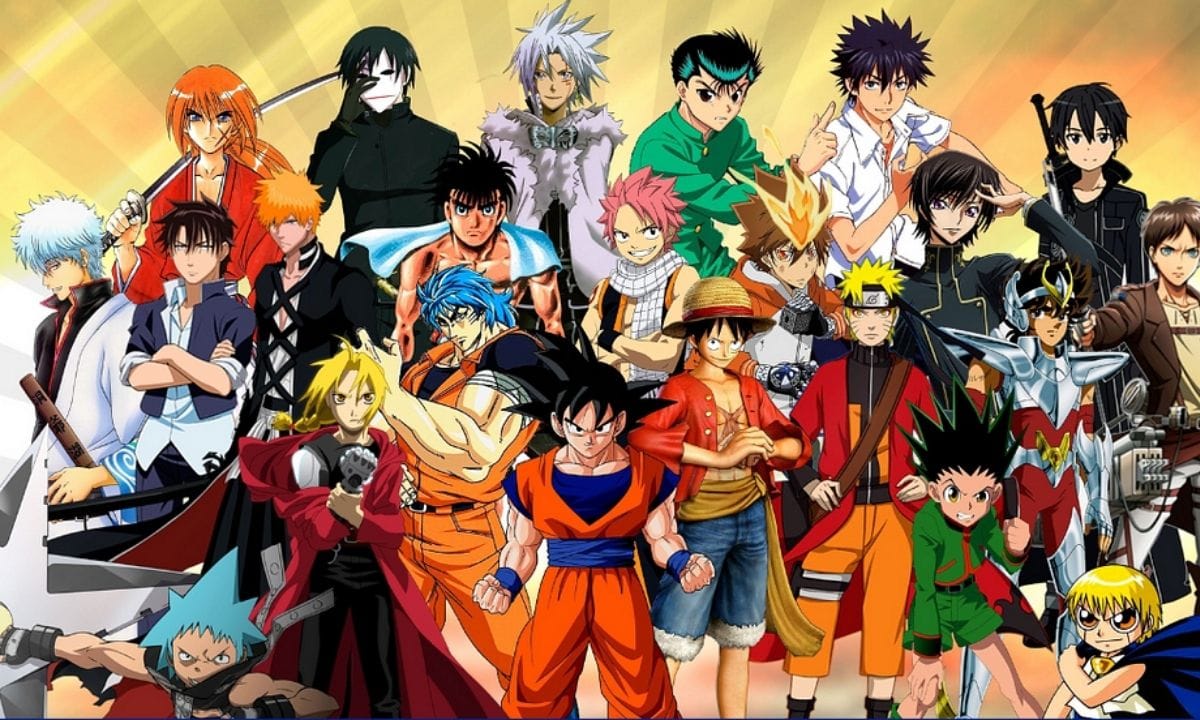
Anime is more than just colorful cartoons from Japan. For many, it’s a deep world filled with stories, emotions, and vibrant characters. Whether you’re new to it or a longtime fan, anime has something unique to offer.
From action-packed battles to heartfelt drama, anime spans across every genre. But before diving deeper, let’s understand the roots and meaning behind the word “anime.”
What Is The Definition Of Anime
Anime is a term used to describe Japanese animated shows and movies. It includes a wide range of genres, styles, and audiences. While some think of it as only kids’ entertainment, anime covers everything from romance to horror to sci-fi.
In Japan, the word “anime” simply refers to all forms of animation. But internationally, anime specifically points to animation made in Japan or following the unique Japanese style. This includes visual traits like expressive faces, exaggerated emotions, and detailed backgrounds.
What Is The Definition Of Anime Weeb
The word “weeb” comes from “weeaboo,” a slang term for someone obsessed with Japanese culture, especially anime and manga. While it once had a negative tone, today many fans proudly call themselves weebs.
An anime weeb often watches a lot of anime, uses Japanese words in conversations, and may even pick up Japanese habits or food interests. It reflects a passionate, sometimes over-the-top love for anime.
What Is The Definition Of A Shonen Anime
Shonen anime is a category of anime aimed mainly at young boys. The word “shonen” means “young boy” in Japanese. These shows usually focus on themes like friendship, courage, and never giving up.
Famous shonen anime include “Naruto,” “One Piece,” and “My Hero Academia.” They often feature battles, power-ups, rivalries, and strong moral lessons, making them popular across all age groups.
What Is The Definition Of Filler In Anime
Filler in anime refers to episodes or scenes that do not follow the original manga or story. These are often added when the anime catches up with the manga and needs to wait for more content.
Fillers help studios maintain a regular release schedule but may not contribute to the main plot. Some fans skip filler episodes, while others enjoy the extra character moments and side stories.
What Is The Definition Of Harem Anime
Harem anime features a central character, usually male, surrounded by multiple romantic interests. The story often revolves around how these relationships play out.
There are also reverse harem anime, where a female character is surrounded by several male characters. Harem anime can be funny, romantic, or dramatic, depending on the story.
What Is The Best Definition Of Anime
The best way to define anime is as a unique style of animated storytelling that originated in Japan. It combines visual artistry with deep storytelling and emotional expression.
Anime isn’t just a show—it’s a creative experience that connects with people globally. From action to slice of life, it offers something for everyone, no matter their taste.
What Is The Definition Of The Word Anime
The word “anime” is short for “animation” in Japanese. Over time, it became the word to describe Japanese animated content.
Outside Japan, when people say “anime,” they mean a specific art style that includes bold expressions, colorful visuals, and storytelling rooted in Japanese culture.
What Is The Definition Of Canon In Anime
Canon in anime means the parts of the story that are officially part of the main plot. Canon content usually comes directly from the manga or the creator’s original work.
Any episodes or stories that are not part of this main plot—like fillers or alternate timelines—are considered non-canon. Canon is what drives the real story forward.
What Is The True Definition Of Anime
The true definition of anime goes beyond just animation. It’s a form of storytelling with its own culture, art, and voice.
Anime connects with viewers by exploring real emotions, fantasy, dreams, and human struggles. It’s a medium that welcomes all genres and styles, touching hearts around the world.
What Is The Real Definition Of Anime
The real definition of anime is Japanese animation with a distinctive style. It covers all kinds of stories—from everyday school life to intergalactic battles.
What makes anime special is how it blends visual beauty with deep stories. Its influence has spread globally, making it more than just entertainment—it’s a cultural icon.
FAQs
Is anime only for kids?
No. Anime covers all age groups and includes stories for kids, teens, and adults.
Can anime be non-Japanese?
Anime-style content exists outside Japan, but true anime usually refers to Japanese-made animation.
What’s the difference between anime and cartoons?
Cartoons are often more comedic and simple, while anime focuses on detailed art and deeper plots.
4. Are fillers bad in anime?
Not always. While some fans skip them, fillers can offer fun side stories or character development.
Conclusion
Anime is not just a form of animated entertainment—it’s a cultural phenomenon that blends art, story, and emotion. It appeals to people of all ages and backgrounds.
Whether you’re watching for fun, for love of the characters, or for deep messages, anime has something meaningful to offer. Understanding its many definitions helps you enjoy it even more.
Read | What Is the No 1 Anime?
Read | Top 10 Anime Where the Main Character is Dead
Read | 15 Best Anime With Overpowered MC
Read | Top 10 Anime Where the Main Character Is OP (Overpowered)