Physical Address
304 North Cardinal St.
Dorchester Center, MA 02124
Physical Address
304 North Cardinal St.
Dorchester Center, MA 02124
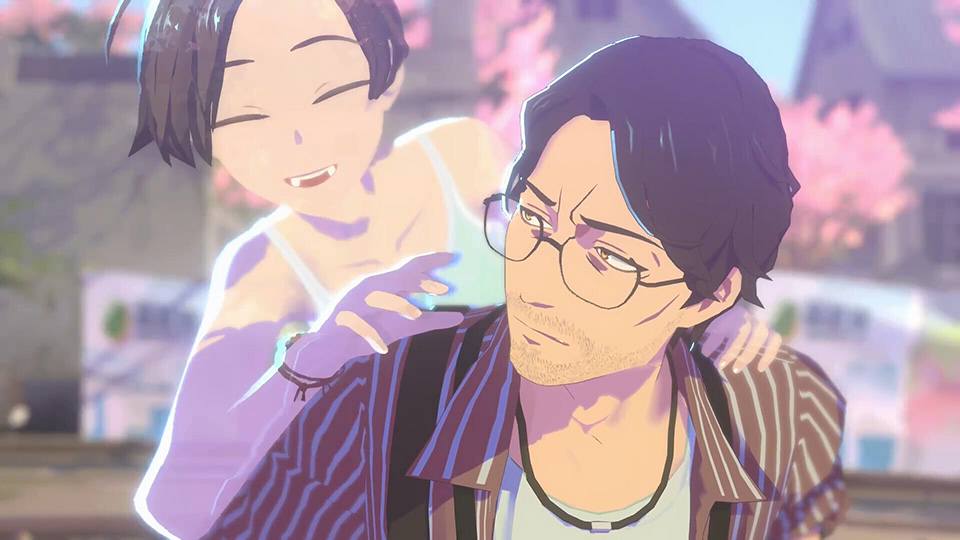
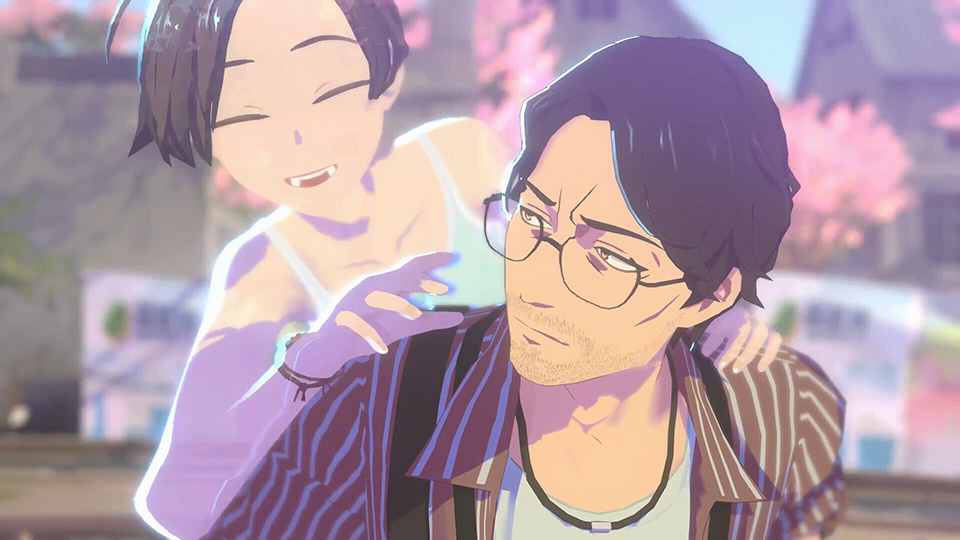
TL;DR, SIGONO co founder Brian Lee says OPUS: Prism Peak moves the OPUS series into a magical fantasy world, centers on whimsical photography gameplay, and draws on anime feelings like Studio Ghibli without copying it.
In the OPUS Prism Peak interview, SIGONO co-founder and producer Brian Lee explains why the studio left spacefaring sci-fi for a magical fantasy world, how photography became the game’s core action, and why comparisons to Studio Ghibli are about feeling rather than mimicry. It is a focused look at the creative calls shaping the newest OPUS story.
The shift matters because the OPUS series is known for star-bound journeys and distant longing. Prism Peak turns inward, favoring intimate memories, quiet scenes, and the act of truly seeing. That change reframes the studio’s storytelling voice, while keeping the series’ heart for healing and belonging.
Brian Lee confirms a magical fantasy shift for Prism Peak, a first for the OPUS series that usually lives in space. As SIGONO co founder Brian Lee puts it, the team selected mechanics and mood to support an inward, iyashikei story about memory and repair. The OPUS Prism Peak interview centers on “seeing” as the game’s emotional action.
Lee outlines three pillars. Photography lets players inhabit a character who has looked through a lens without truly seeing loved ones. Production scale rose to build a tangible “photographic space,” add multilingual voice acting, and advance the studio’s cinematic pipeline.
Art direction steers longing from faraway stars to familiar places tinged with myth and melancholy.
For more creator process context, read our Developer interview that also digs into how teams align mechanics with theme. Across topics, Lee keeps the focus on intimate scale, gentle tone, and the courage to look closely.
Lee frames OPUS Prism Peak Studio Ghibli inspiration as a compliment to its atmosphere, not a template to copy. The aim is the feeling that a world breathes in silence, where wind in trees, steam from food, old houses, and small gestures carry weight. That sensibility pairs with countryside memories from Japan and Taiwan.
He cites blended anime inspirations beyond any single studio: road movies, classic photography collections, and local folklore. The result is a gentle world with gravity, a story for adults trying to reconnect with what they have lost. As the Brian Lee interview notes, the comparison is about life in the margins, not shared character designs.
If you are mapping those feelings against canon, our Best anime series list is a useful yardstick. It shows how warmth, quiet pacing, and tactile detail have shaped audience expectations for decades, and why Prism Peak’s mood resonates without mirroring anyone’s style.
OPUS Prism Peak gameplay mechanics center on photography as the act of seeing. Lee describes a cycle where players learn to look with heart, realize the lens can be a shield, feel fatigue from staring too closely, then find meaning in truly seeing. Framed as a photography game, it turns snapshots into choices about attention and honesty.
On music, the OPUS Prism Peak soundtrack balances minimalist immersion with the series’ melodic voice. Triodust and Bo-Xun Lin of KUSHIH, with Hsu Chia-Wei of Waves of Doppler, ground cues in what Eugene might have heard growing up, from TV drama scores to early game music and acoustic guitar. The ending track even shapes a camera shutter into a snare-like texture while revisiting motifs and the mountain theme, echoing You-Ren’s turmoil and reconciliation.
Themes land in healing and accountability, aligning game themes with iyashikei. Quiet scenes invite players to wander, notice, and confront memory. com/art-of-anime-vol-8-heritage-dragon-ball-auction/”>Anime art feature.
Together, the systems, music, and mise-en-scene form a clear thesis: looking closely is the point.
Related: Anime art feature.
Source: Crunchyroll