Physical Address
304 North Cardinal St.
Dorchester Center, MA 02124
Physical Address
304 North Cardinal St.
Dorchester Center, MA 02124
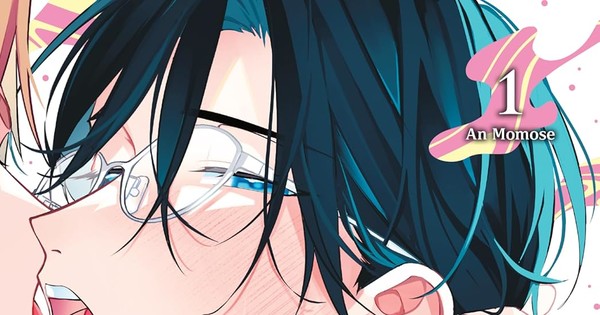
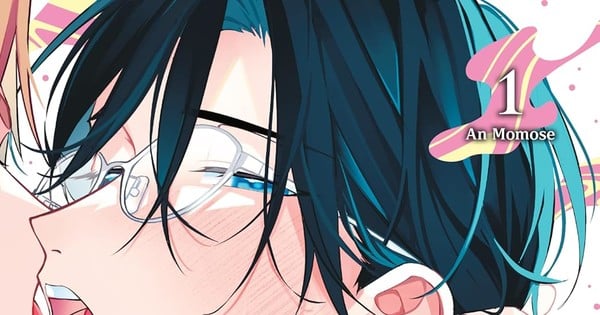
TL;DR, Love from the Tip of the Tongue Vol. 1 sets up a cakeverse BL that raises awkward questions about attraction and identity. The English translation and lettering are solid, and readers who like character-driven BL will find it interesting.
Love from the Tip of the Tongue Vol. 1 tests a cake-and-fork romance with real stakes. An Momose’s BL sets a fork, Tatsunari, against his own fear while a younger cake, Naruse, complicates what desire means when biology interferes.
This Love from the Tip of the Tongue volume 1 manga review explains the cakeverse setup, what Volume 1 covers, and how the English edition reads. Translated by Katelyn Smith and lettered by Carolina Hdz, the Yen Press release is explicit, but it stays focused on consent, identity, and choice.
In this world, some people wake up as forks. They lose normal taste, then catch a sweet scent only they can smell from cakes. Society treats it like a disease, and forks face suspicion.
That cakeverse premise maps hunger to sexual drive, which pushes every contact between a fork and a cake into tricky territory.
Love from the Tip of the Tongue volume 1 follows Tatsunari, who manifested young and hides his status. He recognizes underclassman Naruse as a cake and, starving for sensation, proposes secret rooftop make-outs at lunch. Tatsunari assumes compliance born of fear.
Readers see the truth, that Naruse is gay and already crushing hard.
The arrangement implodes when Tatsunari notices Naruse’s arousal and panics about consent. Years later in college, they reconnect and move beyond kissing, but the guilt lingers. Naruse tries to deflect by calling his reactions a fight-or-flight quirk.
Tatsunari, clinging to “I’m straight,” reads everything as pathology, not feeling. This plot summary sets the Tatsunari and Naruse conflict, then leaves the door open for growth and reckoning.
The fork and cake setup borrows the power imbalance of an omegaverse manga, then flips the script. Forks are pathologized, not glorified. Only forks can identify cakes, which fuels social fear, and forks’ urges feel clinical.
Tatsunari responds with restraint, not dominance, which makes the dynamic less fantasy power play and more pressure cooker about control and care.
The book ties desire to physiology, then asks whether that invalidates romance. Naruse’s lie, that his arousal is a stress reflex, buys time but muddies consent. Tatsunari fears predation while Naruse fears rejection, so truth sits between shame and need.
As a cakeverse BL manga, it treats rules as character traps rather than kinks to indulge.
Those themes matter because they reframe a fork and cake manga around communication and accountability. This makes the intimacy thorny but readable, and it gives the trope weight beyond a gimmick. It is why this Love from the Tip of the Tongue volume 1 manga review emphasizes the rules as the story’s engine.
The English translation by Katelyn Smith reads clean and calm, even when the scene heats up. Medical framing comes through without slangy shortcuts, and character voices differ enough to sell age and nerves. Carolina Hdz’s lettering balances moans, asides, and SFX without crowding panels, and the explicit pages keep clarity with minimal censorship and shrink-wrap packaging.
An Momose’s art style leans soft and attractive, with clear paneling that guides the eye. A few anatomy hiccups crop up, but staging carries the emotional beats. The tone sits intimate and anxious rather than salacious, especially in college sequences where sex finally appears.
It matches a story about restraint, not conquest.
Who should read this? Readers interested in consent-forward BL, character angst, and omegaverse-adjacent rule sets. If fetish metaphors or internalized shame put you off, you may bounce.
For this BL manga review, the recommendation is measured: the package works, the English translation and visuals support it, and character-driven fans will find enough to chew on.
Source: ANN