Copyright © 2025 - animecrisp.com
All rights reserved
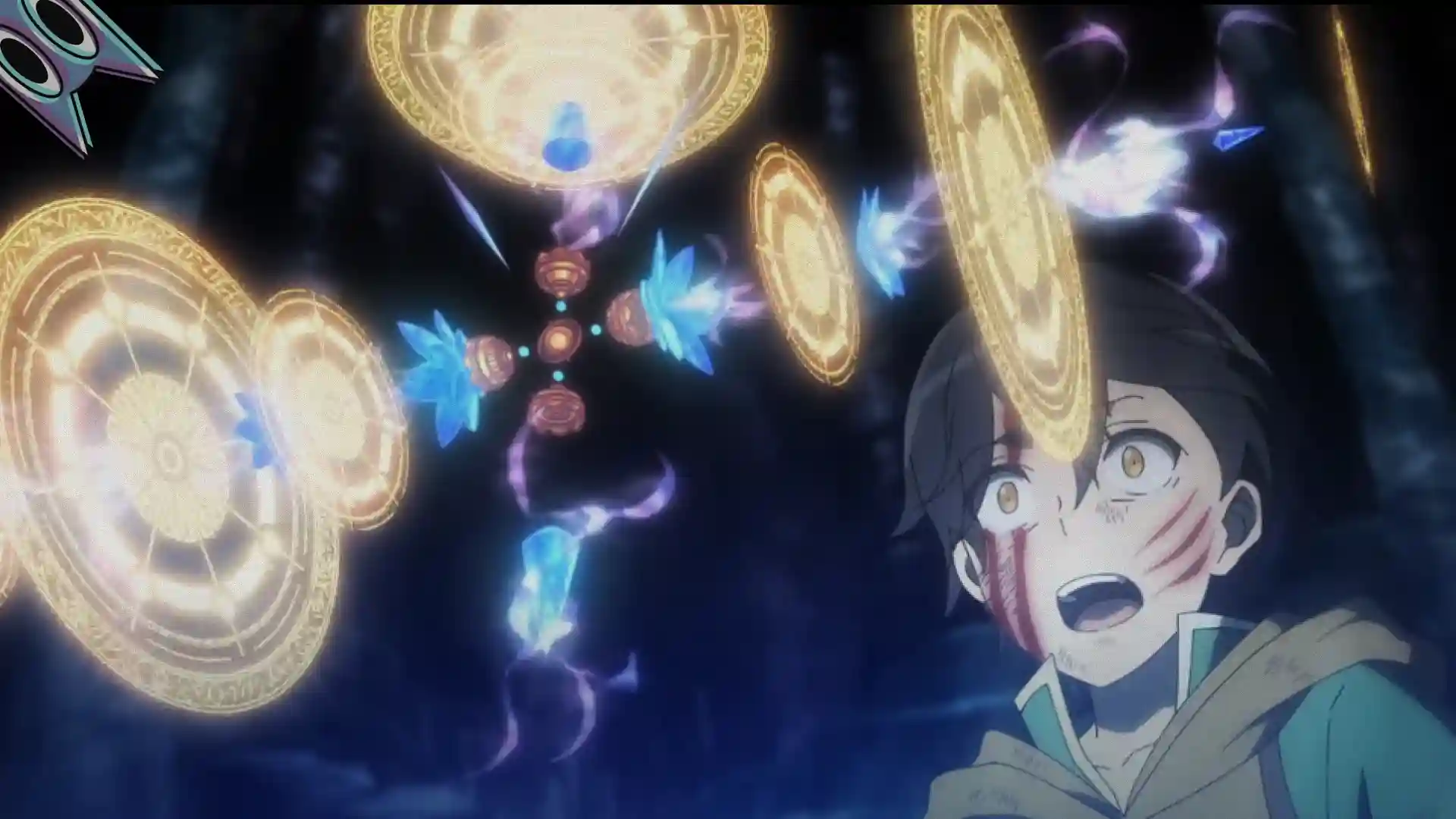
Imagine waking up in a world filled with monsters and dungeons, but instead of wielding a sword or casting magic, your power is a “Summon” button. This is the reality for Light, the protagonist who possesses the Unlimited Gacha skill. In a universe where hunters train for years to improve their physical stats, this ability turns reality into a game of resource management and probability. The skill allows the user to summon loyal fighters, powerful items, and essential resources from other dimensions simply by spending currency or mana crystals.
The core appeal of this ability lies in its potential for exponential growth. While a standard warrior has a physical limit to how much they can lift or how fast they can run, the Unlimited Gacha skill theoretically has no ceiling. As long as the user has the resources to “roll” or “pull” for new units, their army can grow infinitely. However, this power is not just about luck. It requires a brilliant tactical mind to manage the randomness and turn a game of chance into a guaranteed victory.
What Is the Origin of the Unlimited Gacha Ability?

In the lore of the series, abilities are typically granted through an “Awakening” process. Most awakeners receive physical enhancements or elemental magic. However, the Unlimited Gacha skill is a unique, system-based ability. It is often classified as a “Dimension” or “Summoning” type power, but it functions differently than traditional necromancy or beast taming.
The origin is tied to a mysterious system interface that only Light can see. This interface resembles a mobile game screen. It connects the user to a vast, interdimensional database of heroes, creatures, and artifacts. The system does not create life from nothing; rather, it pulls data or souls from different timelines and realities, materializing them in the current world. This connection suggests that the user acts as a bridge between worlds, using the Gacha system as the gateway.
This ability is usually unique to the protagonist, setting them apart from other hunters. While others rely on training, the Gacha user relies on accumulation. The origin of the power implies that the user is a “Player” in a world of NPCs (Non-Player Characters), granting them administrative privileges that break the standard rules of the universe.
How Does the Gacha System Generate Characters and Items?
The generation mechanism of the Unlimited Gacha skill is based on Random Number Generation (RNG), exactly like a video game. To activate the skill, Light must pay a cost. This cost is usually strictly defined—often gold, monster cores, or a specific “system currency” earned by completing quests.
When the cost is paid, the system activates a “Banner.” The banner determines the pool of potential rewards.
- The Pull: The user selects to pull once or ten times (a 10-pull).
- The Algorithm: The system runs a probability check. Most pulls result in common items (water, food, basic bandages) or low-tier combatants.
- The Materialization: If a character is pulled, they are instantly constructed near the user. They arrive fully equipped and with memories implanted regarding their loyalty to the summoner.
Crucially, the system categorizes rewards. It separates “Trash” (consumables), “Equipment” (weapons/armor), and “Units” (living beings). The user cannot usually choose exactly what they will get. They might need a healer but pull a swordsman instead. This randomness forces the user to adapt their strategy based on what the system provides, making every summoning session a high-stakes gamble.
Rarity Levels and Their Importance in the Story
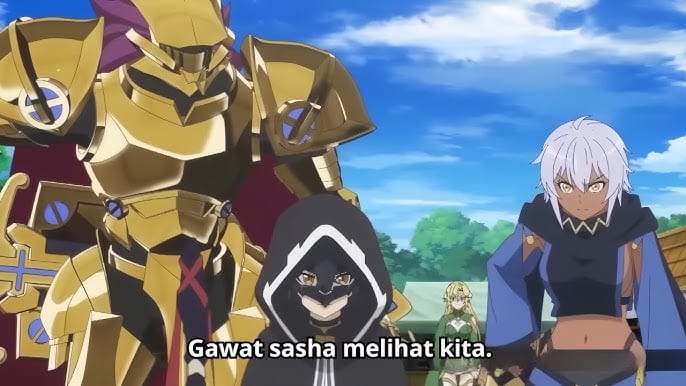
The backbone of the Unlimited Gacha skill is the Rarity System. Not all summons are created equal. The system assigns a grade to every unit and item, which dictates their potential power ceiling and growth rate. Understanding these levels is key to understanding Light’s power.
- N (Normal): These are the most common units. They are essentially foot soldiers with average human stats. They are useful for manual labor, logistics, or swarm tactics, but they die easily in high-level dungeons.
- R (Rare): These units have one specialized skill. They are competent fighters or skilled craftsmen. A Rare unit can lead a squad of Normal units.
- SR (Super Rare): The beginning of true power. SR units often have magical abilities or superhuman physical traits. They can go toe-to-toe with standard monsters and win.
- SSR (Specially Super Rare): The elite tier. These units are game-changers.
Rarity is important because it determines Level Caps. A Normal unit might max out at Level 10, while an SSR unit can level up to 100 and beyond. In the story, pulling a high-rarity unit is a major plot point because it instantly shifts the power balance in Light’s favor.
Strength of SSR Units Compared to Normal Fighters
The gap between an SSR unit and a Normal fighter is not linear; it is exponential. In the context of the story, a single SSR unit is often worth an entire battalion of Normal soldiers.
The “Named” Factor:
Normal units are often generic—”Swordsman A” or “Archer B.” SSR units usually come with names, unique backstories, and personalities. This depth translates into combat intelligence. An SSR unit doesn’t just follow orders; they can improvise, lead armies, and use complex strategies.
Skill Sets:
A Normal fighter might have a simple “Slash” attack. An SSR fighter will possess “passive” skills (like automatic health regeneration) and “active” skills (like area-of-effect magic). For example, an SSR tank doesn’t just have high defense; they might have a skill that renders them invincible for 10 seconds.
Growth Potential:
When Light invests resources into a Normal fighter, the return on investment is low. When he invests in an SSR unit, the unit becomes a catastrophe-level threat. The narrative often highlights that finding an SSR unit is like finding a nuclear weapon in a pile of hand grenades.
How Light Uses Gacha To Build an Army

Light does not rely on blind luck. He approaches the Unlimited Gacha skill with the mindset of a professional gamer and a military general. His strategy for building an army revolves around three core pillars: Farming, Sorting, and Composition.
- Resource Farming: Light knows that volume is king. To get the rare units, he must pull thousands of times. He focuses on clearing dungeons efficiently to maximize his gold and core income. He treats money as ammunition.
- Sorting and Logistics: Not every pull is a warrior. The Gacha gives him food, wood, and basic tools. Light uses these “trash” drops to build a self-sustaining base. He uses Normal units to handle the logistics of his empire—cooking, building, and transporting—freeing up his combat units for war.
- Team Composition: Light builds balanced parties. If he pulls a powerful SSR mage, he stops looking for damage dealers and specifically tries to pull tanks or healers to support that mage. He treats his army like a deck of cards, mixing and matching skills to cover weaknesses.
Light also utilizes the “Combine” or “Rank Up” feature (if present in the specific arc). This allows him to sacrifice multiple lower-tier units to strengthen a higher-tier one, ensuring that even “bad” luck contributes to the army’s total power.
Limitations and Weaknesses of the Gacha Ability
Despite being powerful, the Unlimited Gacha skill is not without significant flaws. These weaknesses ensure the story maintains tension.
1. The Resource Trap:
The skill is useless without currency. If Light is broke, he is powerless. Unlike a swordsman who still has his muscles even if he has no money, Light’s power is entirely external. This forces him to be constantly greedy, often putting himself in danger just to secure funds for the next pull.
2. RNG (Random Number Generation):
There is no guarantee of success. Light could spend millions of gold and get nothing but Normal units. This unpredictability is a massive tactical risk. He cannot “plan” to have a specific counter-unit for a boss; he has to work with whatever the system gives him.
3. The Commander’s Fragility:
Typically, the Gacha user does not gain physical stats from the pulls. Light remains a human with human durability. If an enemy assassin bypasses his SSR guards, Light can be killed easily. He is the “Glass Cannon” of his own army—the most important piece, but the easiest to break.
4. Loyalty Maintenance:
While summoned units are loyal, high-intelligence SSR units have personalities. Managing the egos and needs of a growing army of demigods requires immense soft skills and leadership, adding a psychological burden to the ability.
Why Unlimited Gacha Is Considered One of the Most Broken Skills in the World
In the power-scaling hierarchy of the series, Unlimited Gacha is consistently ranked as “Broken” (overpowered). The reason is simple: Versatility and Scaling.
Versatility:
A standard fire mage can only cast fire. A swordsman can only cut. The Unlimited Gacha skill can produce fire, ice, healing, tanking, assassination, and construction abilities. Light is a one-man army who can adapt to literally any situation given enough pulls. He is never hard-countered because his ability contains every counter.
Infinite Scaling:
Most abilities have a “hard cap.” A human body can only get so strong. The Gacha skill has no cap. As long as resources exist in the world, the army can grow. Light can theoretically summon a million soldiers. He can overwhelm quality with quantity, or quantity with quality.
Instant Reinforcement:
In a war, training new troops takes months. Light can replace an entire wiped-out squad in seconds if he has the cash. This attrition capability makes him terrifying to fight against. You can kill his soldiers, but he can just buy more.
Ultimately, the Unlimited Gacha skill breaks the world because it turns warfare into an economic equation. Light doesn’t need to be the strongest fighter; he just needs to be the richest. This unique twist on power fantasy makes the skill—and the stories revolving around it—endlessly engaging for readers.