
I’ve watched hundreds of shounen anime series over the past decade. Some made me stay up until 4 AM to see the next episode. Some broke me emotionally. A few completely changed how I think about storytelling.
This ranked list of the best shounen anime of all time isn’t just a MAL score dump. It’s built from genuine experience with every series, comparing narrative structure, character arcs, power systems, animation quality, pacing, and lasting cultural impact. Whether you’re a newcomer looking for a starting point or a veteran trying to fill gaps in your watchlist, this is the most comprehensive ranked guide you’ll find.
Shounen (少年), which literally translates to “boy” or “youth,” is the demographic category targeting viewers aged 12-18. But the greatest shounen anime transcend that label. They explore themes of friendship and rivalry, sacrifice and redemption, personal growth and moral ambiguity that resonate with viewers of every age and background.
How We Ranked These 30 Best Shounen Anime
Rankings were based on five weighted factors: story quality and narrative depth, character development and protagonist growth, animation and fight choreography, cultural impact and fan community engagement, and personal rewatchability.
MAL scores and Goodreads ratings were referenced as community benchmarks but didn’t override personal experience. Series from every era are represented, from the classic shonen pioneers of the 1980s through the dark modern shonen wave of 2020s.
Every single anime on this list has been personally watched through completion or current airing. No recaps. No secondhand summaries. Just the real experience of sitting with these stories from beginning to end.
30 Best Shounen Anime of All Time
1. Fullmetal Alchemist: Brotherhood
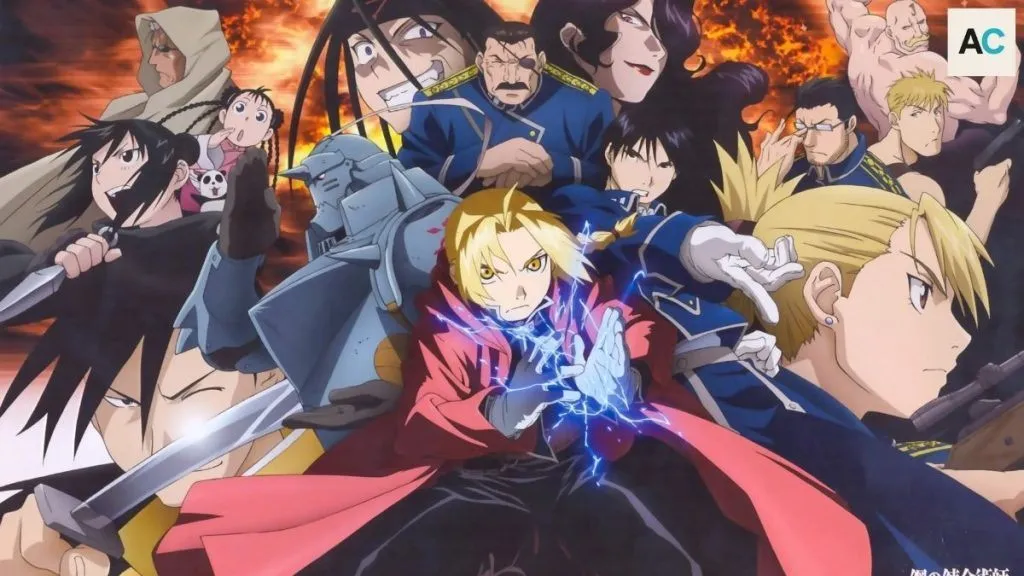
Studio: Bones | Episodes: 64 | MAL: ~9.09 | Year: 2009
The standard every shounen anime gets measured against. Edward and Alphonse Elric attempt a forbidden alchemical ritual to resurrect their dead mother and pay a devastating equivalent exchange. What follows across 64 episodes is the most tightly constructed narrative in the genre’s history. Every plot thread pays off. Every character has an arc. The final act remains one of the most satisfying conclusions in anime.
Brotherhood was the first anime I ever watched that made me realize this medium could tell stories that rival anything in cinema. The Chimera scene in episode 4 is still one of the most emotionally gutting moments I’ve experienced as a viewer. The Alchemy-based power system is internally consistent, the villain Father is genuinely menacing, and the balance of humor, action, and tragedy is unmatched. Held the #1 MAL spot for over a decade before being surpassed by newer titles. Studio: Bones. Available on Crunchyroll.
Watch if: You want the complete package, great story, great fights, great ending. Skip if: You’ve only seen the 2003 FMA and assume Brotherhood is the same show. It’s not.
2. Hunter x Hunter (2011)
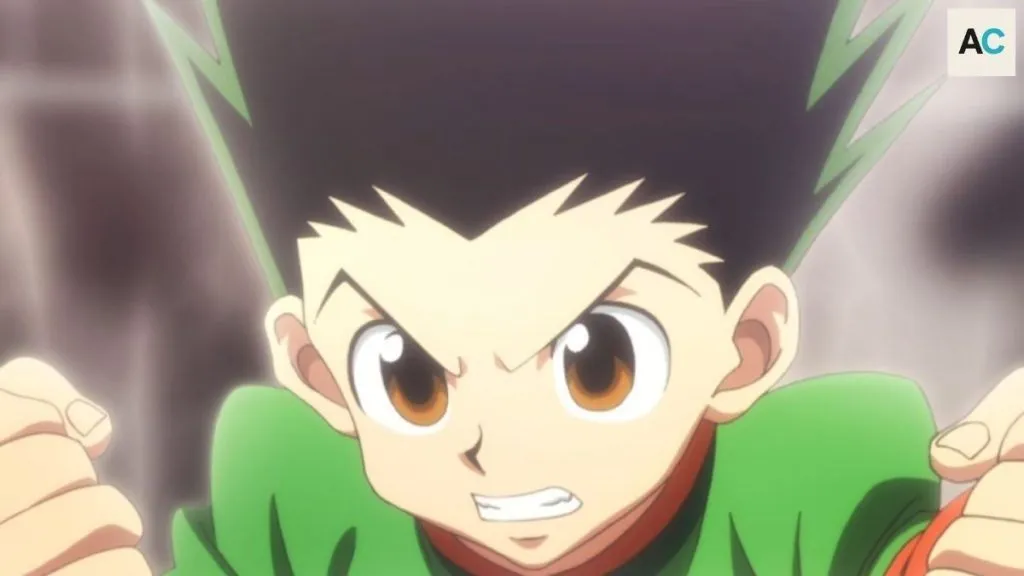
Studio: Madhouse | Episodes: 148 | MAL: ~9.04 | Year: 2011-2014
The most strategically intelligent battle shounen ever animated. Gon Freecss sets out to find his absent father, a legendary Hunter, and enters a world of competitive examinations, underground assassins, ant-human hybrids, and electoral politics. Every arc escalates in scope and darkness, peaking with the Chimera Ant arc, arguably the greatest extended narrative in all of anime.
I watched all 148 episodes in a week during a particularly unproductive stretch of my life, and I have zero regrets. The Nen power system is the gold standard of anime ability design, where the rules are rigid enough to create genuine strategic depth. The Yorknew City arc is where I understood what this show was truly capable of. In 2025, HxH ranked on Pluto TV Brazil’s top 10 most-watched series with zero new content, proving its timeless rewatchability. A new anime arc is expected once Yoshihiro Togashi completes the ongoing manga.
Watch if: You love complex power systems, morally grey characters, and psychological battles. Skip if: You need resolution. The manga and 2011 anime both end mid-story.
3. Attack on Titan
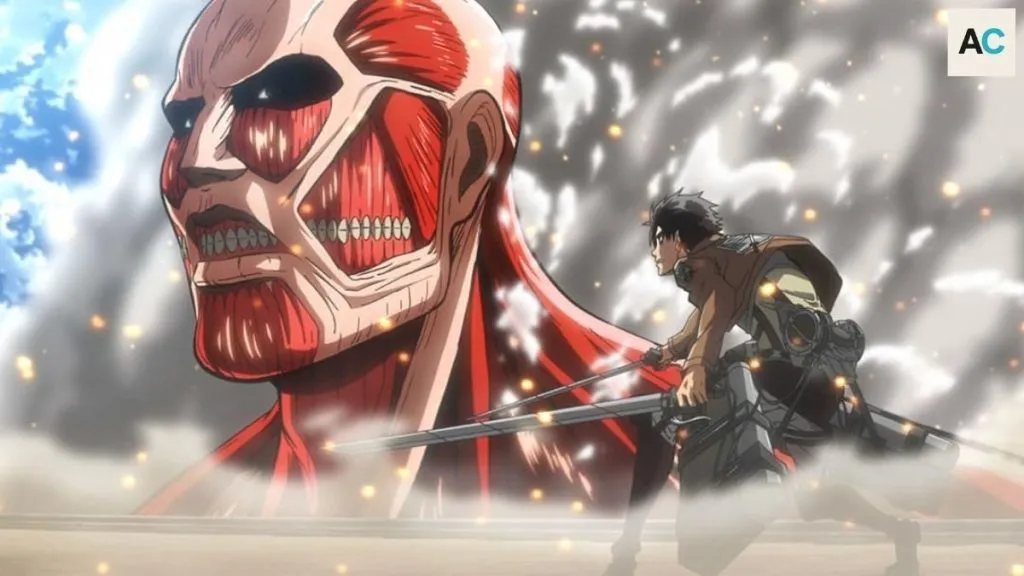
Studio: WIT / MAPPA | Episodes: 87 + films | MAL: ~9.0 (Season 3 Part 2) | Year: 2013-2023
The series that convinced an entire generation of non-anime-viewers to start watching. Humanity lives inside massive walls to survive giant humanoid Titans. Eren Yeager’s world collapses in episode 1, and nothing is ever the same again. Attack on Titan is a masterclass in escalating reveals, where every answer to one mystery creates three more questions that don’t get answered until seasons later.
I remember watching the first episode live and immediately texting everyone I knew. Season 3 Part 2’s “Attack Titan” power reveal and the battle to retake Wall Maria are among the highest points in shounen action-adventure anime history. The final season is divisive among long-term fans, but the complete journey from episode 1 to the conclusion is an experience unlike anything else in the genre. The franchise’s cultural impact is undeniable, with merchandise, pop-up events, and academic analysis spanning every continent.
Watch if: You want a story that fundamentally changes direction multiple times while maintaining thematic consistency. Skip if: You’re looking for pure power-scaling battles. AoT is more political thriller than traditional shounen.
4. Demon Slayer: Kimetsu no Yaiba
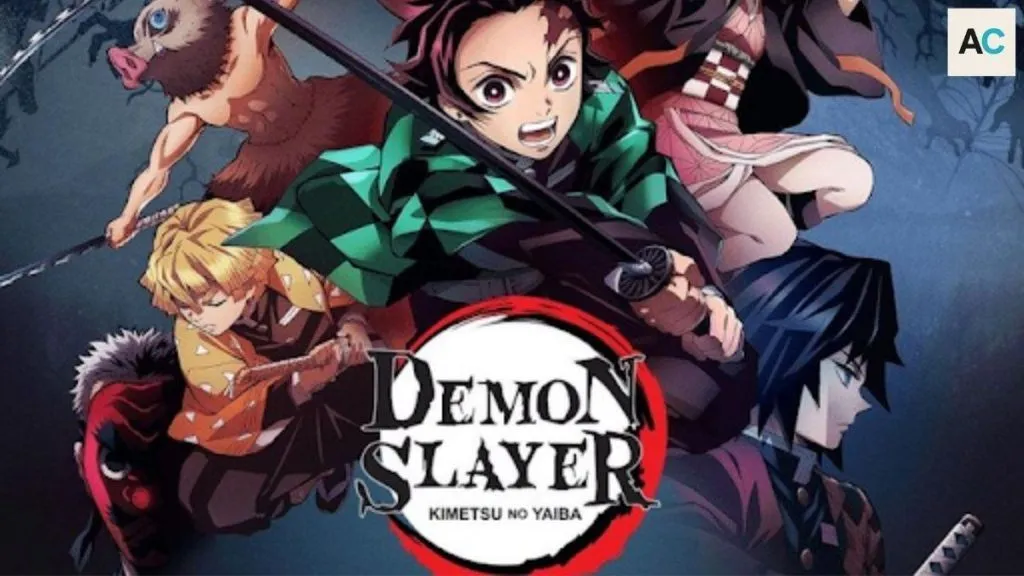
Studio: Ufotable | Episodes: 44+ (multiple seasons) | MAL: ~8.66 | Year: 2019-present
The most visually spectacular anime in history. Tanjiro Kamado witnesses his family slaughtered by demons and his sister Nezuko transformed into one. He becomes a Demon Slayer to cure her and avenge his family. The story itself is a straightforward revenge-and-rescue narrative, but Ufotable’s animation transforms it into something transcendent.
The Mugen Train arc broke box office records with the film grossing over $500 million worldwide, making it the highest-grossing anime film of all time at release. I’ve watched the Rengoku vs Akaza fight sequence from Mugen Train at least 20 times. It’s not just the best fight in Demon Slayer, it’s one of the best action sequences in any animated medium. 40 Crunchyroll Anime Award nominations and 17 wins, tagged as the “Most Influential Anime of the Decade.” The Breathing Techniques-based power system is elegantly visual.
Watch if: You want the most visually stunning shounen experience available. Skip if: You prioritize narrative complexity over emotional sincerity and visual spectacle.
5. Jujutsu Kaisen
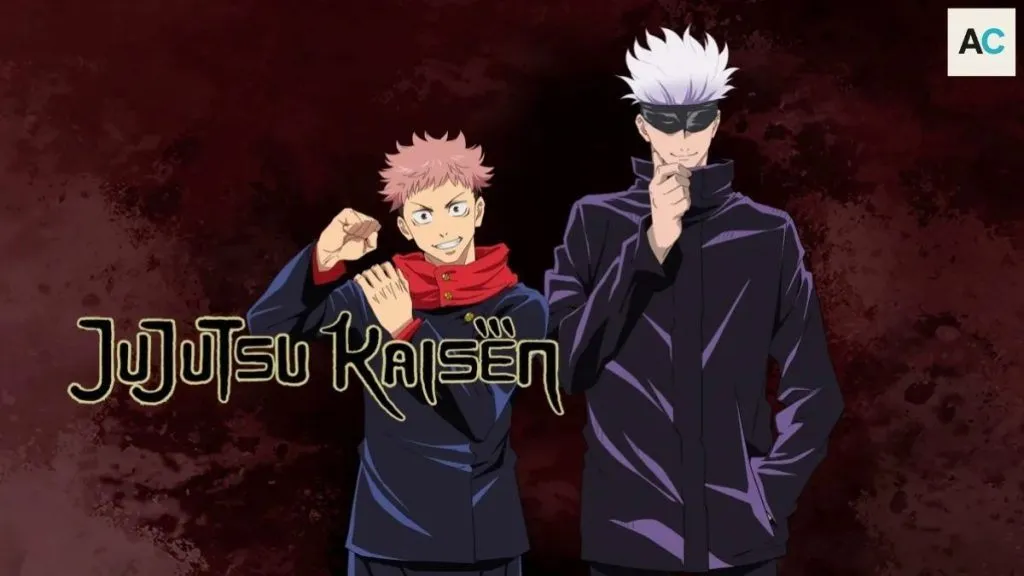
Studio: MAPPA | Episodes: 48 (Seasons 1-3) | MAL: ~8.62 | Year: 2020-present
The reigning king of dark shounen. Yuji Itadori swallows a cursed finger belonging to the legendary demon Ryomen Sukuna and becomes a vessel for the most powerful cursed spirit in history. What starts as a straightforward “kill the bad demons” premise becomes increasingly morally complex, culminating in Season 2’s Shibuya Incident arc, which I’d rank as the single greatest shounen anime arc animated in the last decade.
Season 3 (The Culling Game) aired from January to March 2026 on Crunchyroll, covering 12 episodes with animation quality that critics called “the best-looking animated series currently airing.” The manga has surpassed 150 million copies in worldwide circulation. I watched the Season 2 finale in real time with the community, and the collective reaction online to a major character death was unlike anything I’d seen in years of following anime discourse. MAPPA’s fight choreography, particularly the Gojo vs Toji battle, is technically unmatched in modern animation.
Watch if: You want dark themes, high-stakes battles, and the best fight animation currently being produced. Skip if: You need happy endings and stable emotional states.
6. Naruto / Naruto: Shippuden

Studio: Pierrot | Episodes: 720 (both series) | MAL: ~8.62 (Shippuden) | Year: 2002-2017
The emotional blueprint for modern shounen. Naruto Uzumaki is an orphaned, ostracized kid with a demon fox sealed inside him, dreaming of becoming the greatest ninja in his village to earn the respect he was never given. His journey across 720 episodes covers loneliness, the cycle of hatred, redemption, sacrifice, and the power of choosing your own path despite what fate prescribed.
Naruto was the first anime I ever watched from beginning to end as a teenager. The chunin exams arc introduced me to competitive anime storytelling. Kakashi vs Obito in Shippuden hit me harder than any fictional death in any medium had before that point. Pain’s invasion arc and his confrontation with Naruto is the defining scene of my entire anime-watching history. The “Will of Fire” philosophy and Naruto’s Talk-no-Jutsu are mocked by ironic fans, but they represent something the show genuinely believes: that empathy is more powerful than violence.
Watch if: You want a complete coming-of-age epic with legendary villain designs and iconic music. Skip if: You can’t stomach filler arcs. Use a filler guide.
7. One Piece
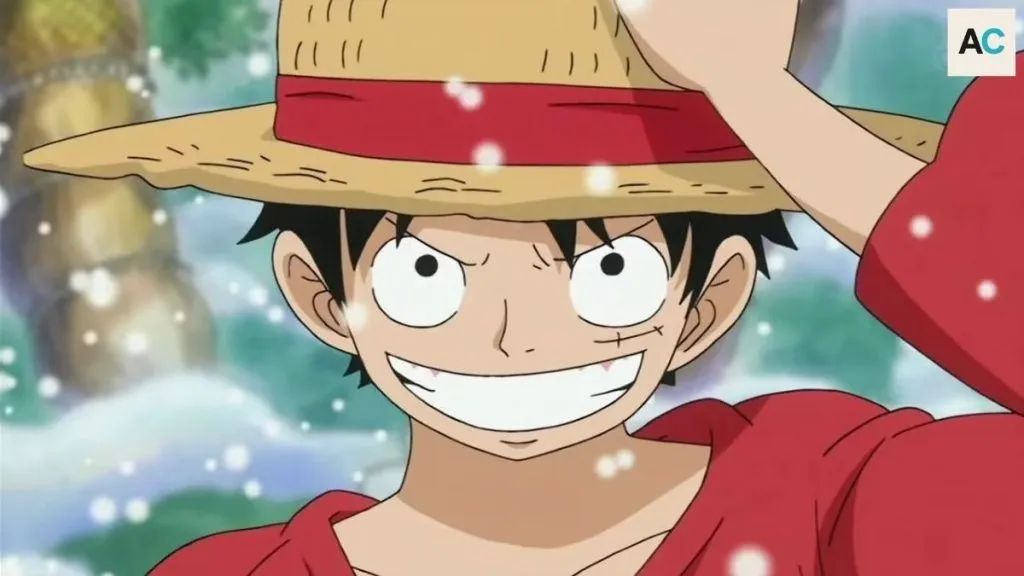
Studio: Toei Animation | Episodes: 1100+ | MAL: ~8.66 | Year: 1999-present
The longest-running great anime, and the only one that’s still getting better after 25 years. Monkey D. Luffy wants to find the legendary treasure “One Piece” and become King of the Pirates. What begins as a pirate adventure slowly reveals itself to be a deeply political story about freedom, oppression, the nature of history, and the courage to challenge unjust systems. The world-building in One Piece has no peer in all of manga and anime.
I resisted One Piece for years because of its episode count. Then I watched the Marineford War arc and understood. I cried at a scene involving a newspaper and a fist in the air. If you know, you know. In 2024, One Piece topped IMDb’s list of highest-rated TV shows globally with a 9.08 average rating, beating shows like Shogun and The Bear. The Gear 5 animation from TOEI for the Luffy vs Kaido fight in the Wano arc is one of the most creative action sequences I’ve ever seen. A remake is in development, which will make the series more accessible than ever.
Watch if: You want the richest world, deepest lore, and most consistent emotional resonance in anime. Skip if: You’re not prepared for a long-term commitment. This isn’t a sprint.
8. Dragon Ball Z
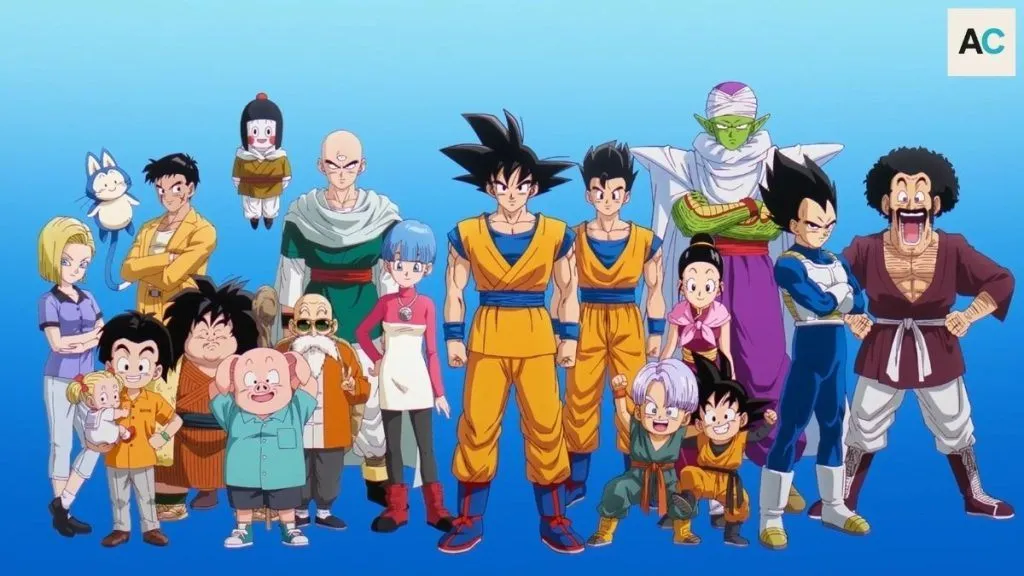
Studio: Toei Animation | Episodes: 291 | MAL: ~8.14 | Year: 1989-1996
The series that invented the template. Power-ups, transformations, beam struggles, training arcs, heroic sacrifices, and the eternal battle to protect Earth. Dragon Ball Z didn’t just shape shounen anime. It shaped all of anime and introduced the medium to an entire generation of Western viewers who had no idea what anime was before they saw Goku transform into a Super Saiyan.
My first exposure to DBZ was watching the Frieza Saga on Cartoon Network. I was 8 years old and completely unprepared for something that visually spectacular on television. The Majin Vegeta vs Goku fight hits differently as an adult because you understand what Vegeta’s pride actually costs him. The Saiyan saga’s pacing is still faster and more impactful than most modern action anime. No series before or since created the sensation of watching a power level number become the most important information in the universe.
Watch if: You want to understand where modern shounen comes from. Skip the filler. Skip if: You need complex storytelling. DBZ’s genius is elemental, not sophisticated.
9. Bleach: Thousand-Year Blood War

Studio: Pierrot | Episodes: 52+ (TYBW arc) | MAL: ~9.10 (TYBW) | Year: 2022-present
The best visual upgrade in anime history. Bleach ended its original run in 2012 with an incomplete adaptation of Tite Kubo’s final manga arc. The 2022 return, Thousand-Year Blood War, adapted that arc with modern animation that makes the original series look like a rough draft. Ichigo Kurosaki’s final battle against the Quincy King Yhwach is a visual spectacle that few anime have matched. TYBW Part 3 briefly surpassed Fullmetal Alchemist: Brotherhood on MAL’s all-time rankings.
I watched the original 366-episode Bleach run in college. I loved it until the pacing made me miserable. TYBW fixes everything. The fights are shorter and more impactful. The revelations about character origins are genuinely shocking even for manga readers. The animation for Yhwach’s ability sequences and the Bankais revealed in these arcs are among the most creative power display designs in the genre’s history. If you gave up on Bleach, this arc is your reward for waiting.
Watch if: You already watched the original Bleach and want the conclusion it deserved. Skip if: You need heavy character introspection over spectacle.
10. Haikyuu!!
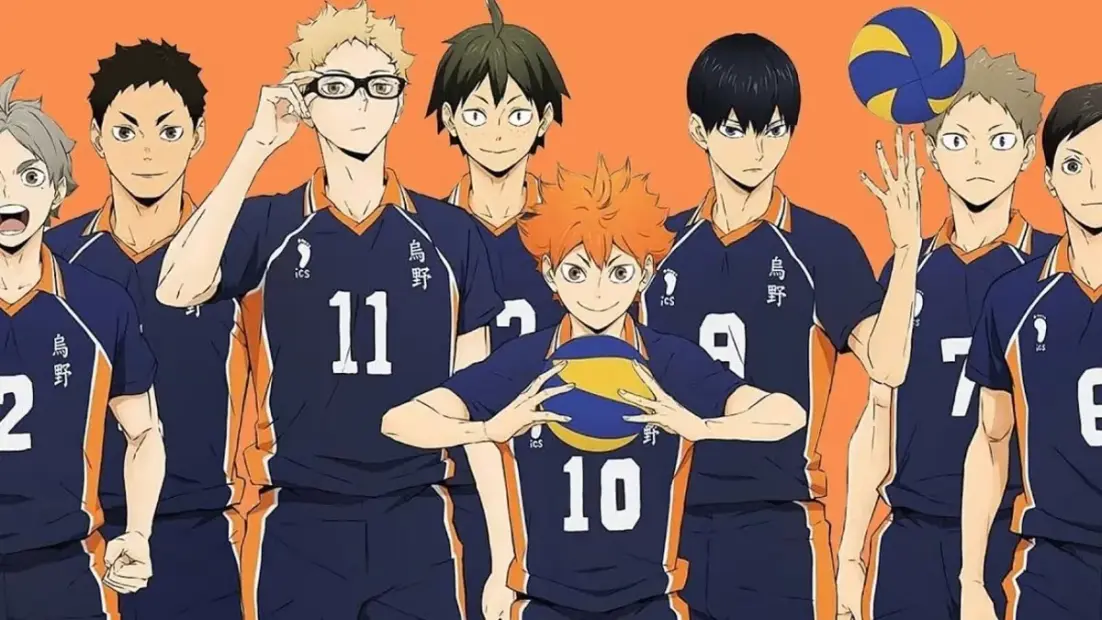
Studio: Production I.G | Episodes: 85 | MAL: ~8.72 | Year: 2014-2020
The best sports anime ever made, and one of the few sports anime where non-sports fans become completely invested. Hinata Shoyo wants to become a great volleyball player despite his short height. His partnership-rivalry with Kageyama, their team’s journey through high school tournaments, and the supporting cast of rival teams make this the most complete sports narrative in anime. Every opposing team becomes sympathetic and worth rooting for.
I am not a volleyball fan. I watched Haikyuu because a friend demanded it. By the second episode, I was screaming at a volleyball match like it was a championship game. That’s the power of this series. The “battle of the trash heap” match between Karasuno and Nekoma is the emotional peak of sports storytelling in any medium. Production I.G’s understanding of how to make athletic motion feel kinetically satisfying is unmatched. The final arc and movie represent a genuinely mature conclusion to Hinata’s journey.
Watch if: You want emotional stakes in every match and characters worth caring about on every team. Skip if: Sports anime in general don’t appeal to you conceptually.
11. Vinland Saga
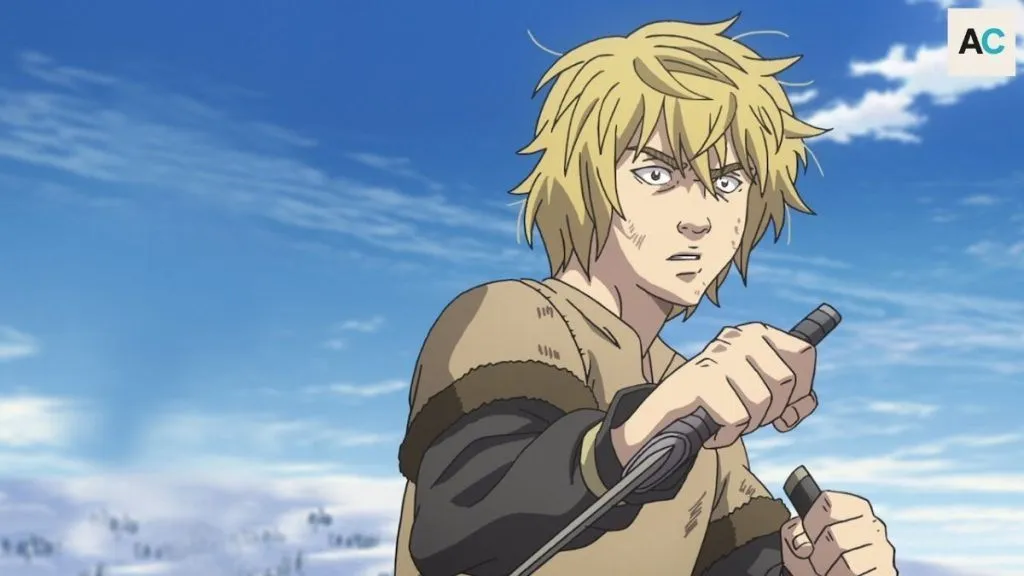
Studio: WIT / MAPPA | Episodes: 48 | MAL: ~8.72 | Year: 2019-2023
A deconstruction of the warrior ideal dressed as a Viking action series. Thorfinn witnesses his father’s murder and devotes his childhood to revenge against the mercenary Askeladd. Season 1 is phenomenal revenge and combat storytelling. Season 2 completely abandons battle to explore what happens when a warrior who defined himself through violence has to find another reason to exist.
Vinland Saga Season 2 is the most challenging thing I’ve ever watched a shounen protagonist go through. Thorfinn in a field, plowing dirt, learning to be human again after decades of numbering his soul, is more emotionally demanding than any fight sequence in any other show. The thematic argument that true strength means the strength to not fight makes Vinland Saga one of the most philosophically sophisticated anime series ever produced. Published in Weekly Shonen Magazine, making it technically shounen despite its deeply seinen themes.
Watch if: You want mature themes, historical setting, and a protagonist who genuinely grows. Skip if: Slow-burn character work bores you. Season 2 is very deliberately paced.
12. My Hero Academia
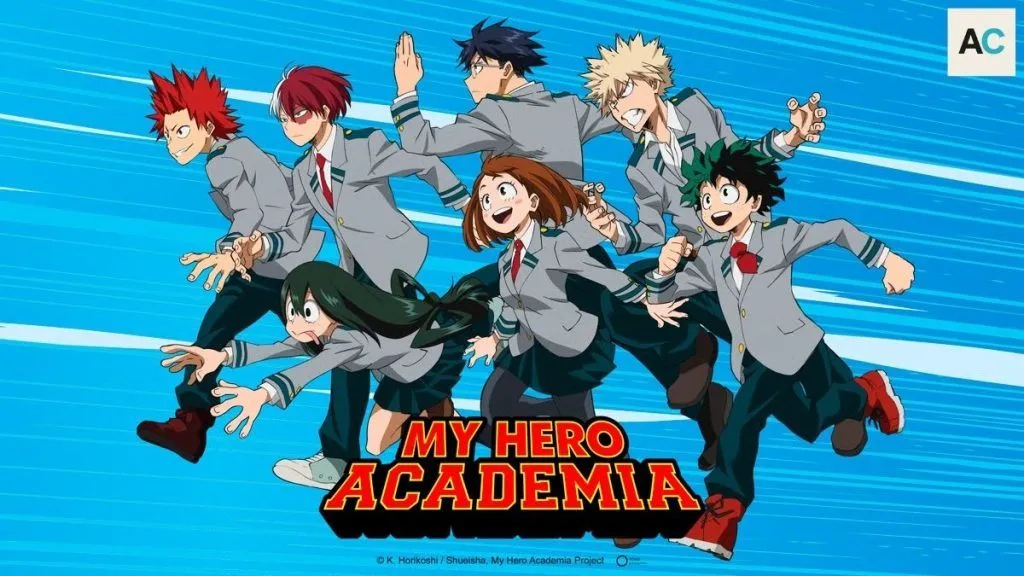
Studio: Bones | Episodes: 138+ | MAL: ~7.94 | Year: 2016-2024
The superhero shounen that defined the genre for its entire generation. Izuku Midoriya is born without a superpower (Quirk) in a world where 80% of people have them, yet dreams of becoming a hero. When the greatest hero of all time passes his ability down to Deku, his journey through UA High School begins. MHA is distinguished by its deep bench of supporting characters, each with their own complete arc. Bakugo’s character development across the series is the finest protagonist-rival dynamic since Naruto and Sasuke.
I watched My Hero Academia from Season 1 during its original airing and stayed committed through six seasons. The U.S.J. attack in Season 1 was the moment I knew this show was special. The final war arc rewarded years of investment with payoffs I didn’t expect. MHA was named the “Most In-Demand Anime Series” of 2025, and spin-off content continues into 2026. The show’s core argument that heroism is about protecting others rather than defeating enemies resonates in a way that feels increasingly relevant.
Watch if: You love superhero aesthetics, deep supporting character rosters, and genuine emotional resolution. Skip if: You need consistent pacing. Seasons 3-4 have drag points.
13. Chainsaw Man
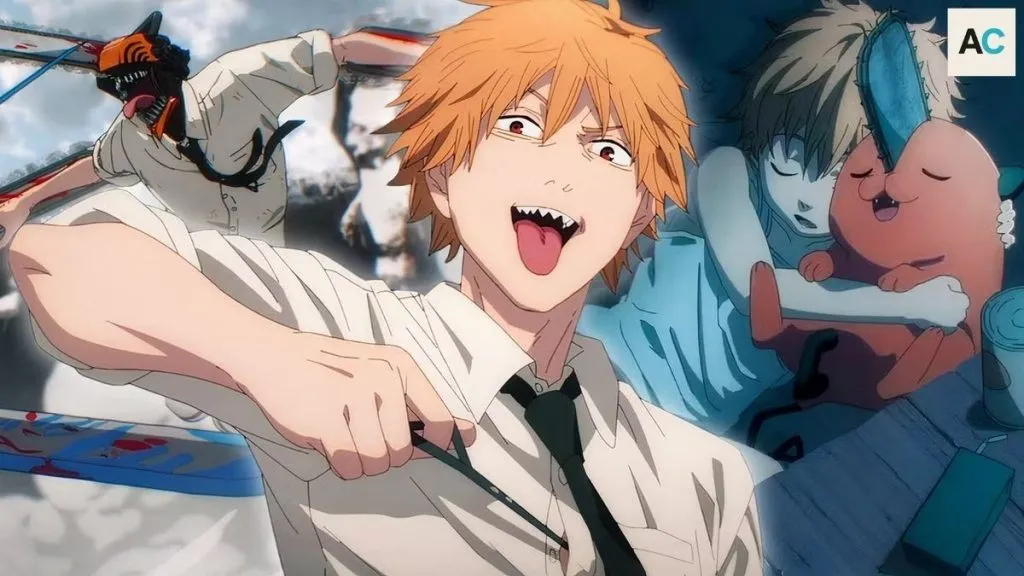
Studio: MAPPA | Episodes: 12 (Part 1) | MAL: ~8.54 | Year: 2022
The series that broke expectations in every possible direction. Denji is a broke kid who merges with his pet chainsaw-devil Pochita to become Chainsaw Man, a Public Safety Devil Hunter. The story deliberately subverts every conventional shounen expectation: the protagonist is dumb and wants simple things, the power fantasy is examined as trauma, and the narrative progression is deliberately messy and anti-climactic in ways that feel intentional rather than lazy.
Watching Chainsaw Man’s first episode live was one of the most thrilling experiences of my anime-watching life. MAPPA produced some of their finest animation work across the 12 episodes, and the ending sequence changes with every episode. The Chainsaw Man: Reze Arc movie received a 9.13 MAL score, the highest-rated anime film on the platform in 2025, grossing over $175 million worldwide on a $4 million budget. Tatsuki Fujimoto’s visual storytelling translates to animation in ways very few manga artists’ work does. Part 2 anime is confirmed.
Watch if: You want subversive, dark, and visually unique storytelling that respects your intelligence. Skip if: You need clear answers and power progression.
14. JoJo’s Bizarre Adventure
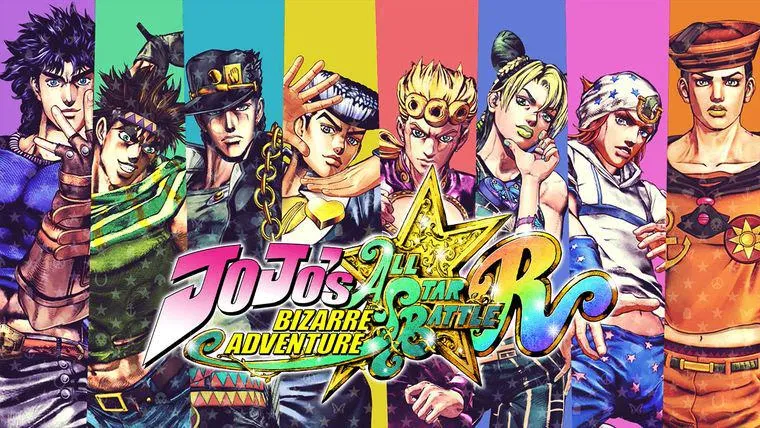
Studio: David Production | Episodes: 152 (Parts 1-6) | MAL: ~7.86-8.60 per part | Year: 2012-2022
The most creatively unique long-running anime ever made. Each “Part” features a different JoJo protagonist in a different era, fighting against supernatural enemies using Stand powers, which are physical manifestations of fighting spirit with highly specific, often creative abilities. JoJo is a fashion show, meme factory, music reference encyclopedia, and tactical battle series simultaneously. Steel Ball Run, the anime for Part 7, premiered in 2026 and is already a strong contender for one of the best anime of the year.
I started JoJo with extreme skepticism about its reputation. By the time Dio said his famous line at the end of Phantom Blood, I was completely converted. The jump from Hamon-based combat in Parts 1-2 to Stand battles in Part 3 onwards is one of the most creative evolution decisions in anime history. Each part has its own tone, pace, and aesthetic. Diamond is Unbreakable is my personal favorite for its serial killer mystery structure. Part 4 set in a small Japanese town is the most unique location in the series.
Watch if: You want the most stylistically original anime experience available. Skip if: Absurdism and deliberate camp aren’t your preferred modes.
15. Naruto (Original Series)

Studio: Pierrot | Episodes: 220 | MAL: ~7.97 | Year: 2002-2007
Listed separately from Shippuden because the original Naruto has a distinct identity and emotional register worth experiencing on its own terms. Young Naruto in the original series is a more purely comedic and optimistic character than his Shippuden version. The Land of Waves arc, Chunin Exams, and the Sasuke retrieval arc form one of the most compelling early narratives in shounen history. The original series also contains some of the franchise’s best-loved filler episodes.
The original Naruto soundtrack by Toshio Masuda is one of the most influential anime music scores ever composed. “Sadness and Sorrow” and “Wind” are embedded in the collective memory of an entire generation. The hand-seals battle system, where knowing the opponent’s jutsu is as important as raw power, is elegant design. The relationship between Naruto, Sasuke, and Sakura established the three-person team dynamic that dozens of subsequent shounen series would replicate.
Watch if: You want to experience the beginning of Naruto’s journey with fresh eyes. Skip if: You’re coming from Shippuden backwards. Start here for the full emotional buildup.
16. Gintama

Studio: Sunrise | Episodes: 367 | MAL: ~8.95 (Gintama°) | Year: 2006-2018
Comedy disguised as the greatest shounen series ever made. In an alternate-history Edo Japan occupied by aliens, former samurai Gintoki Sakata runs an odd-jobs business with his friends. Gintama runs as pure parody comedy for vast stretches, then drops emotional gut-punch arcs that rival anything in dramatic anime. The Yoshiwara in Flames arc, the Courtesan of a Nation arc, and the Farewell Shinsengumi arc are three of the finest extended storylines in the genre.
I almost dropped Gintama six times before episode 50. The comedy isn’t for everyone, and the early filler-heavy structure is genuinely rough. By episode 58 (the Benizakura arc), something changed. By the time I finished the series finale, I ranked Gintama among the greatest anime I’d ever seen. The secret it hides behind years of toilet humor is that it’s deeply, sincerely about loyalty, grief, and what it means to remain who you are when the world forces you to change. Multiple Gintama arcs hold MAL scores above 9.0.
Watch if: You’re patient enough to reach the serious arcs and appreciate comedy that lives alongside genuine tragedy. Skip if: You don’t have the investment window.
17. Mob Psycho 100
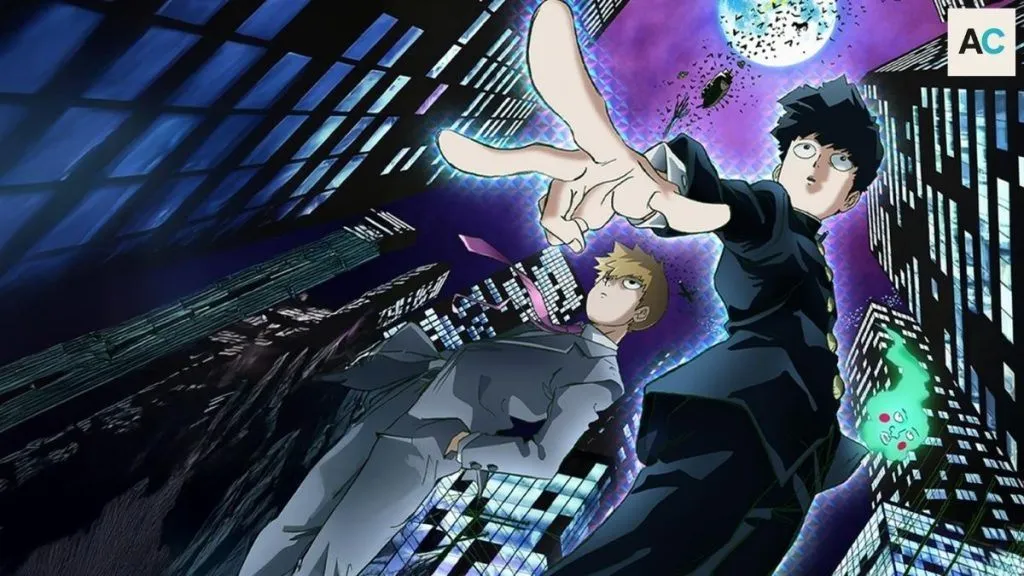
Studio: Bones | Episodes: 37 | MAL: ~8.49 | Year: 2016-2022
The best psychic action anime ever made and a masterclass in subverting what a shounen protagonist can be. Shigeo “Mob” Kageyama is the most powerful Esper in the world but explicitly doesn’t want to use his powers because he understands that genuine human connection and personal development matter more than strength. That premise drives 37 episodes of some of the most creative animation Bones has ever produced.
I watched Season 1 in one sitting and rewatched Season 2’s finale immediately after finishing it. The Season 2 final arc, “Ultra Divine Tree,” is the single best finale of any three-season anime I’ve watched. The animation style shifts during emotional peaks in ways that feel genuinely artistic rather than simply flashy. Creator ONE’s philosophy that the best version of a protagonist is one who actively chooses not to rely on the shortcut of overwhelming power makes Mob one of the most thoughtful lead characters in all of shounen.
Watch if: You want creative animation, emotional intelligence, and a protagonist who grows as a person rather than just as a fighter. Skip if: You need elaborate world-building alongside your character work.
18. Dororo (2019)
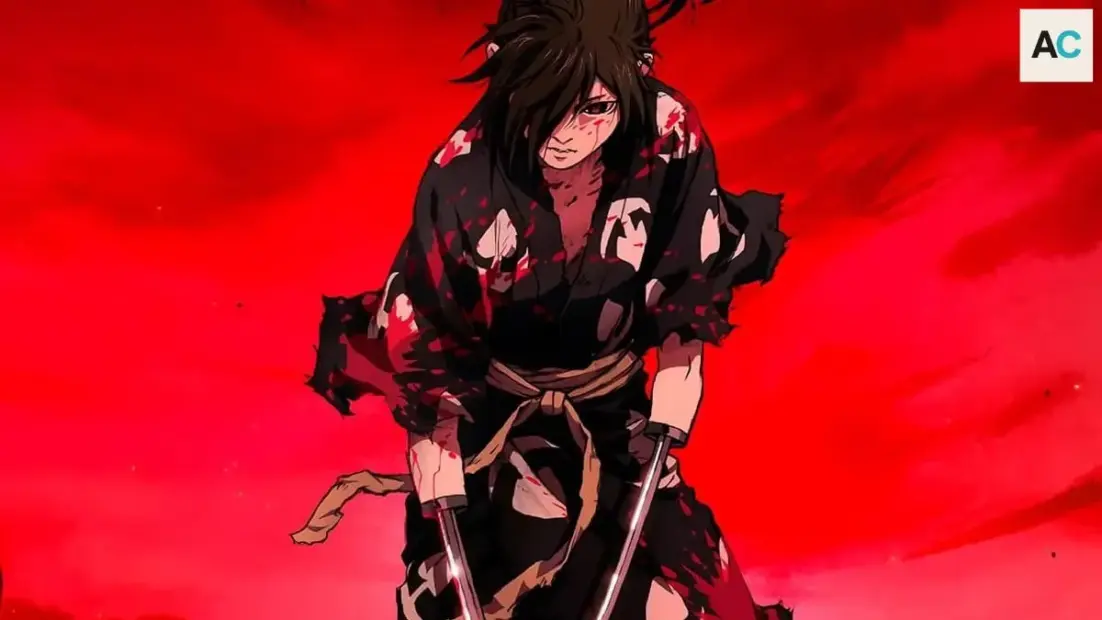
Studio: MAPPA / Tezuka Productions | Episodes: 24 | MAL: ~8.22 | Year: 2019
One of the most criminally underrated complete anime series ever aired. Based on Osamu Tezuka’s 1967 manga, Dororo follows Hyakkimaru, a young man born without body parts that were traded to demons by his samurai lord father, as he reclaims each piece of himself by slaying the demons who hold them. It’s a body horror revenge story with a profound meditation on what it means to be human woven throughout every episode.
Dororo hit me harder than any 24-episode anime has a right to. The relationship between Hyakkimaru and Dororo (a young orphaned thief who follows him) develops with real earned warmth despite minimal dialogue from the near-mute protagonist. The demon designs are gorgeous and grotesque in equal measure. The final episode’s resolution is one of the bravest narrative choices I’ve seen in the genre: it doesn’t give either protagonist what they want, but exactly what they need. MAPPA and Tezuka Productions revived a classic that deserves every bit of its modern reputation.
Watch if: You want a dark historical fantasy with superb character work and a definitive ending. Skip if: You need high-adrenaline pacing throughout.
19. Slam Dunk
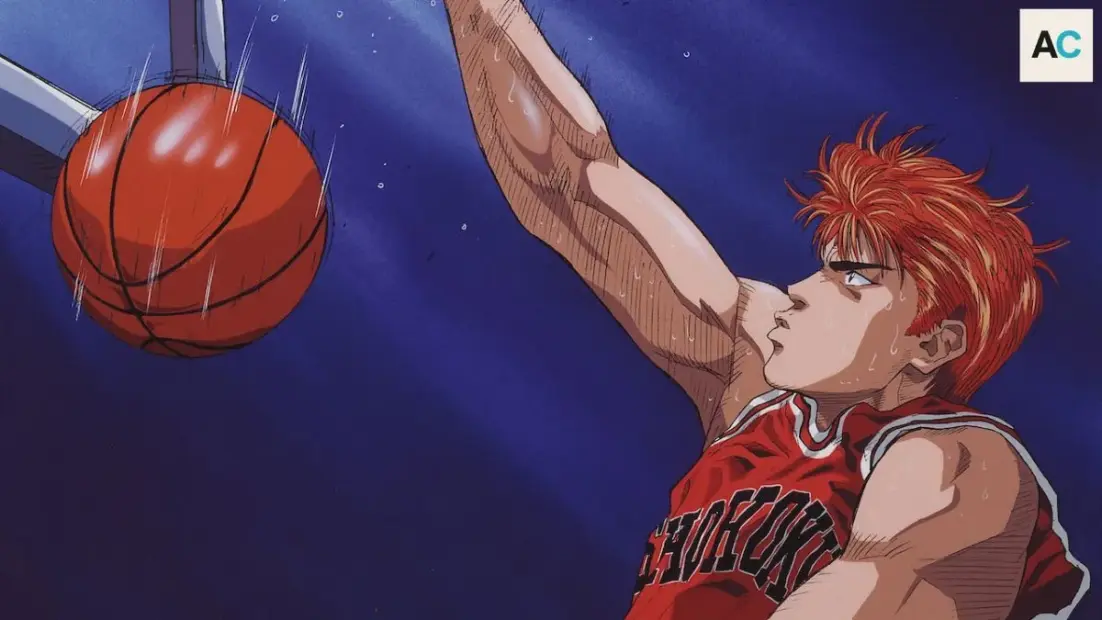
Studio: Toei Animation | Episodes: 101 + film | MAL: ~8.54 | Year: 1993-1996
The anime that made basketball popular across Asia and remains the definitive sports manga adaptation. Hanamichi Sakuragi is a tall, athletically gifted delinquent with zero basketball knowledge who joins his school’s team to impress a girl. His journey from comedic liability to genuine player across a single high school season is the most satisfying sports character arc in any medium. The 2023 film “The First Slam Dunk” was a massive global hit, introducing the series to a new generation.
I first watched Slam Dunk in its original run and came back to it in 2023 after the film. The series holds up across 30 years primarily because Inoue’s understanding of basketball as a sport involving real human limitations is accurate and emotionally grounded. Sakuragi’s relationship with coach Anzai, whose recovery from alcoholism runs as a quiet parallel storyline, gives the series a depth that pure sports anime rarely achieve. The Sannoh game in the manga and film remains the greatest basketball narrative ever written.
Watch if: You want the original great sports anime with genuine personality and a complete arc. Skip if: The early episodes’ comedy structure tests your patience.
20. Blue Lock
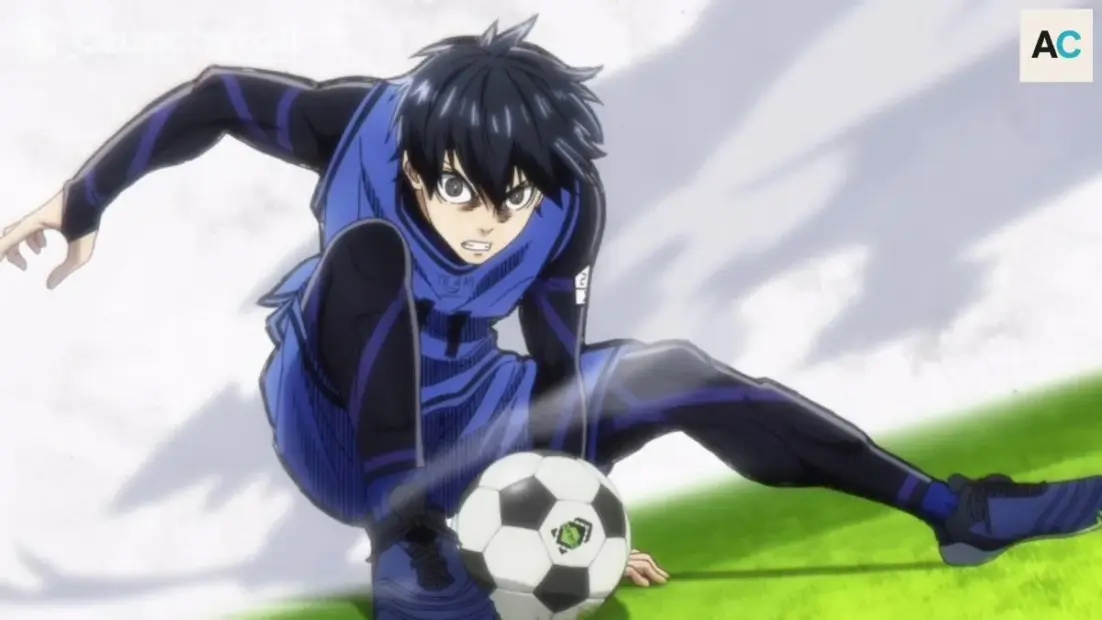
Studio: Eight Bit | Episodes: 24+ | MAL: ~8.01 | Year: 2022-present
The most psychologically aggressive sports anime ever made. 300 of Japan’s top young soccer players are locked in a facility and forced to compete in elimination games to identify the country’s next great striker. Blue Lock is explicitly about ego, selfishness, and the argument that selflessness is actually destructive in sports. Isagi Yoichi’s journey from passive player to calculated predator is deeply uncomfortable and completely riveting.
Blue Lock made me genuinely uncomfortable about my relationship with sports psychology narratives. It’s the only sports anime I’ve watched where I felt slightly anxious about the protagonist’s moral development. The soccer tactical content is surprisingly sophisticated, and the visual metaphors for spatial awareness (“World Model”) are communicated with genuine creativity. Season 2 expanded the scope significantly with an international tournament arc. Blue Lock challenges every assumption you had about what sports anime are supposed to value.
Watch if: You want aggressive psychological competition and unconventional sports philosophy. Skip if: You prefer traditional teamwork-first sports narratives.
21. Yu Yu Hakusho
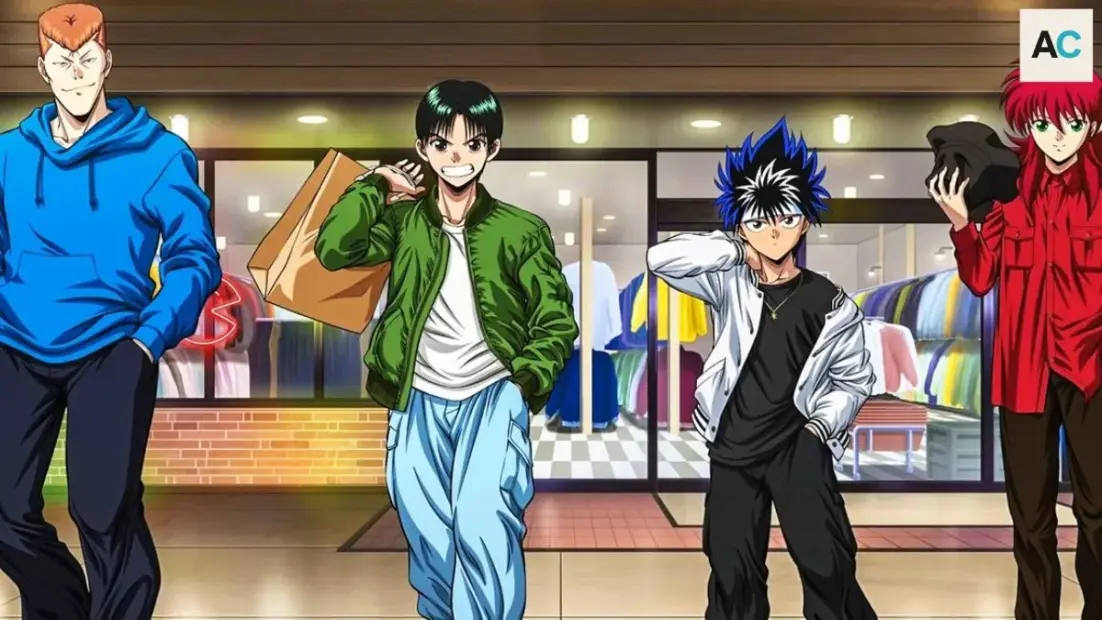
Studio: Pierrot | Episodes: 112 | MAL: ~8.48 | Year: 1992-1995
The original dark fantasy tournament shounen. Yusuke Urameshi dies saving a child and is given the chance to return to life as a Spirit Detective, investigating supernatural crimes in the human world. The series escalates from ghost investigations to the iconic Dark Tournament to the Chapter Black saga, one of the darkest and most psychologically sophisticated arcs ever written for a shounen series.
Yu Yu Hakusho is the show I recommend to people who say older anime doesn’t hold up. The Dark Tournament arc is still tighter, faster-paced, and more exciting than many modern tournament arcs. Hiei’s backstory is one of the most affecting character reveal sequences in the genre. Togashi’s fingerprints as Hunter x Hunter’s creator are all over the Nen-like Spirit Energy system and the Chapter Black villain Shinobu Sensui, whose complexity anticipates what Togashi would do with the Chimera Ant arc a decade later.
Watch if: You want the direct predecessor to Hunter x Hunter from the same creator. Skip if: The 1990s art style significantly affects your engagement.
22. Black Clover
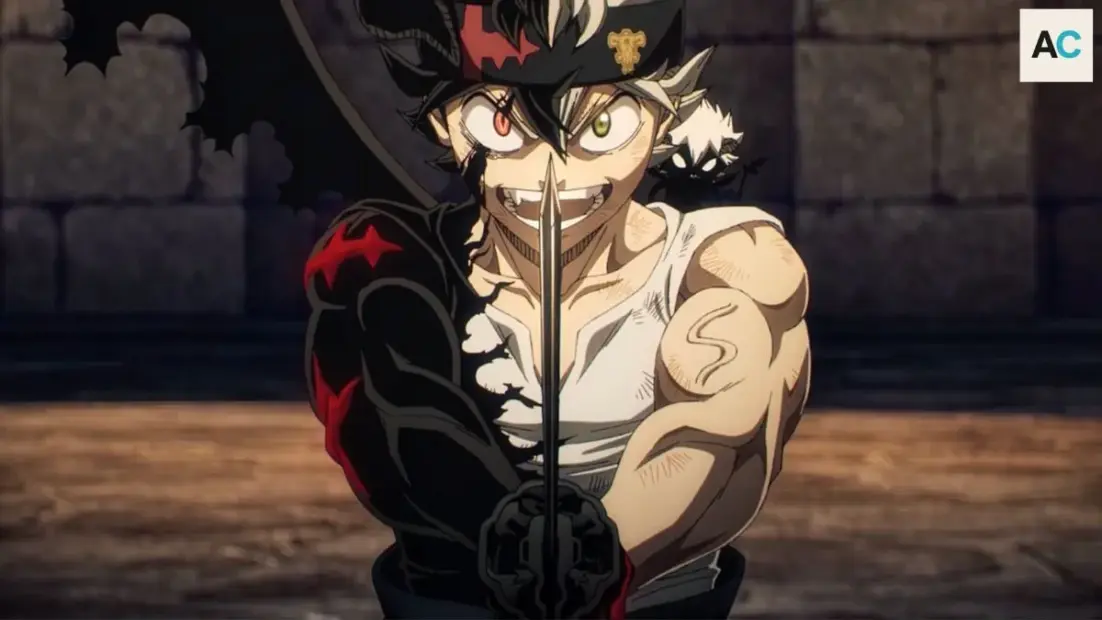
Studio: Pierrot | Episodes: 170 | MAL: ~8.04 | Year: 2017-2021
The most dramatically improved anime over its run. Black Clover’s first dozen episodes are famously rough. Asta’s screaming, the slow world-building, and the conventional “boy with no magic in a world of magic” premise feel recycled. Then something clicks. The magic system deepens, the supporting cast develops genuine chemistry, and the fight sequences become increasingly inventive. By the Elf Reincarnation arc, Black Clover is operating at a completely different level than its early episodes suggested.
I gave Black Clover three false starts before finally committing. I almost dropped it at episode 13. I’m genuinely glad I didn’t, because the Royal Knights arc onward became appointment viewing for me. Asta’s anti-magic system creates genuinely interesting tactical puzzles in fights. Yuno’s parallel growth alongside the protagonist without narrative overshadowing is handled better than most rival dynamics. A Black Clover film continuing the story is in development.
Watch if: You’re willing to invest 20+ episodes before the show reaches its potential. Skip if: Early pacing problems immediately end your interest.
23. Sword Art Online
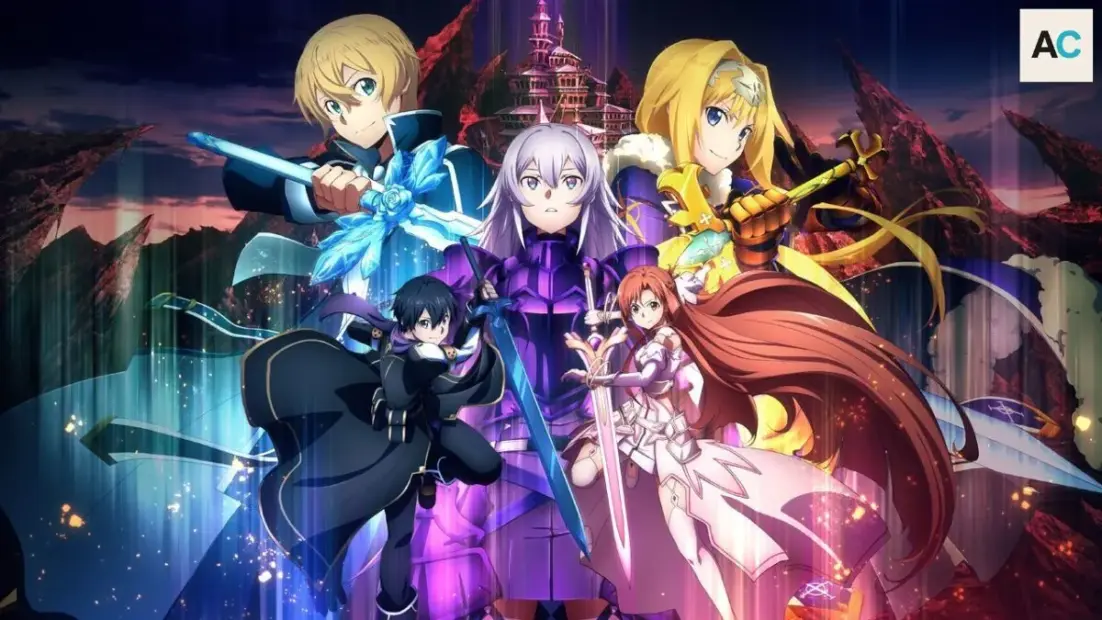
Studio: A-1 Pictures | Episodes: 96 | MAL: ~7.26 | Year: 2012-2014
The most culturally impactful isekai-adjacent shounen of its era, for better and worse. Kirito and thousands of players are trapped in a virtual reality MMORPG where death in the game means death in real life. The first half of Season 1 (Aincrad arc) remains one of the most efficient and emotionally engaging opening arcs in the genre. The series popularized the “trapped in a game” narrative that spawned hundreds of imitators.
I watched SAO in 2012 when its first arc was actively airing and it was genuinely thrilling. The episode “Yui’s Heart” is still the most emotionally affecting episode of the entire series. The later Fairy Dance arc’s quality drop is well-documented and I won’t pretend otherwise. SAO’s legacy is complicated, but its cultural footprint is undeniable. It introduced millions of Western viewers to light novel adaptations and modern shounen action, and its influence on gaming-themed anime is impossible to overstate.
Watch if: You want to understand the isekai and virtual reality anime genre at its peak. Skip if: Character depth consistency is a hard requirement for you.
24. Death Note
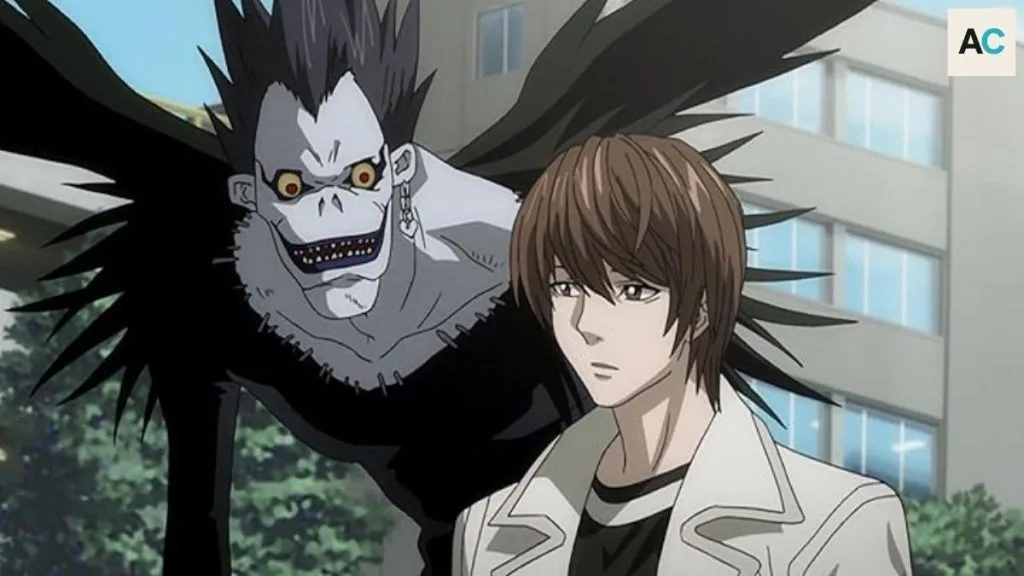
Studio: Madhouse | Episodes: 37 | MAL: ~8.63 | Year: 2006-2007
Technically shounen (published in Weekly Shonen Jump) despite being the most adult-skewing series on this list. High school genius Light Yagami discovers a notebook that kills anyone whose name is written in it and attempts to create a new world order by executing criminals. Detective L attempts to identify and capture the killer. Death Note is a pure psychological chess match sustained across 37 episodes with almost no physical combat.
Death Note was the second anime I ever watched, after Naruto, and it completely changed my understanding of what anime storytelling could do. The scene where Light eats a potato chip remains a cultural landmark. The tension during the “I’ve already won” sequences between Light and L creates a type of dramatic anxiety that I’ve never experienced from any other series. The divisive final arc quality drop is real, but it doesn’t negate the remarkable achievement of the first 25 episodes.
Watch if: You want psychological thriller anime with a perfectly constructed cat-and-mouse dynamic. Skip if: You need physical action or likeable protagonists.
25. Kimetsu no Yaiba: Demon Slayer Movie – Mugen Train
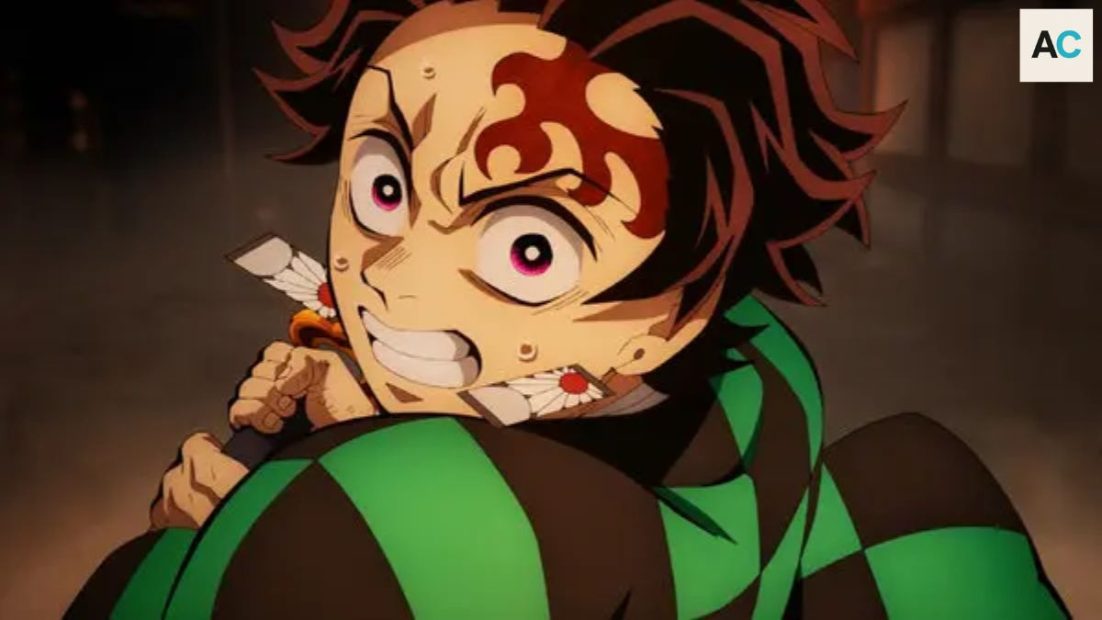
Studio: Ufotable | Runtime: 117 min | MAL: ~8.25 | Year: 2020
Listed separately from the series for its status as a standalone masterpiece of theatrical animation and the highest-grossing anime film of its release year. The Mugen Train arc follows Tanjiro, Zenitsu, Inosuke, and the Flame Hashira Rengoku on a mission aboard a demon-infested train. What begins as a monster-hunting mission becomes an extended meditation on what it means to live with purpose and dignity in the face of inevitable loss.
I watched Mugen Train in a theater and watched a grown man three seats over openly weeping at Rengoku’s final scene. That is the power of this film. Ufotable’s visual effects and compositing work on the flame-based combat sequences set a technical standard that the entire animation industry noticed. The $500 million global box office confirmed that theatrical anime is a major commercial force, paving the way for subsequent films from Jujutsu Kaisen and Chainsaw Man.
Watch if: You want the peak of theatrical anime visual ambition and one of the genre’s most impactful character deaths. Skip if: You haven’t watched Demon Slayer Season 1 first.
26. Noragami
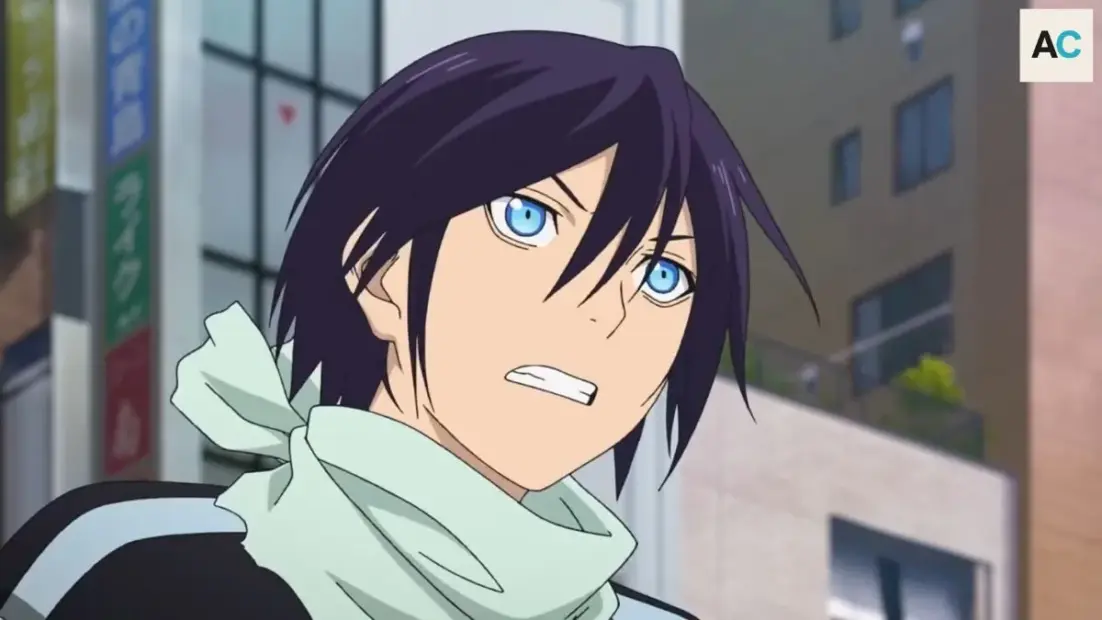
Studio: Bones | Episodes: 25 | MAL: ~7.97 | Year: 2014-2015
The most underrated supernatural shounen of its decade. Yato is a minor god of calamity who wants to become famous and beloved enough to have his own shrine. He takes odd jobs for five yen, fights phantoms, and navigates the complex politics of the divine world alongside his human companion Hiyori and Regalia Yukine. The mythology-based world-building draws from actual Japanese Shinto tradition while building its own internal logic.
Noragami Season 2 (Aragoto) is a better animated series than many top-tier productions from the same period. The Bishamon arc is genuinely emotionally complex in its portrayal of divine guilt and the burden of loyalty. The relationship between Yato and Yukine, where a Regalia’s mental state physically affects their wielder, creates a unique emotional dependency unlike any other anime bond I’ve encountered. The ongoing manga continues and a third season is something fans have waited for since 2015.
Watch if: You want tight mythology-based action with genuine emotional heart. Skip if: Waiting for a potential never-arriving Season 3 is too much to bear.
27. Kuroko’s Basketball
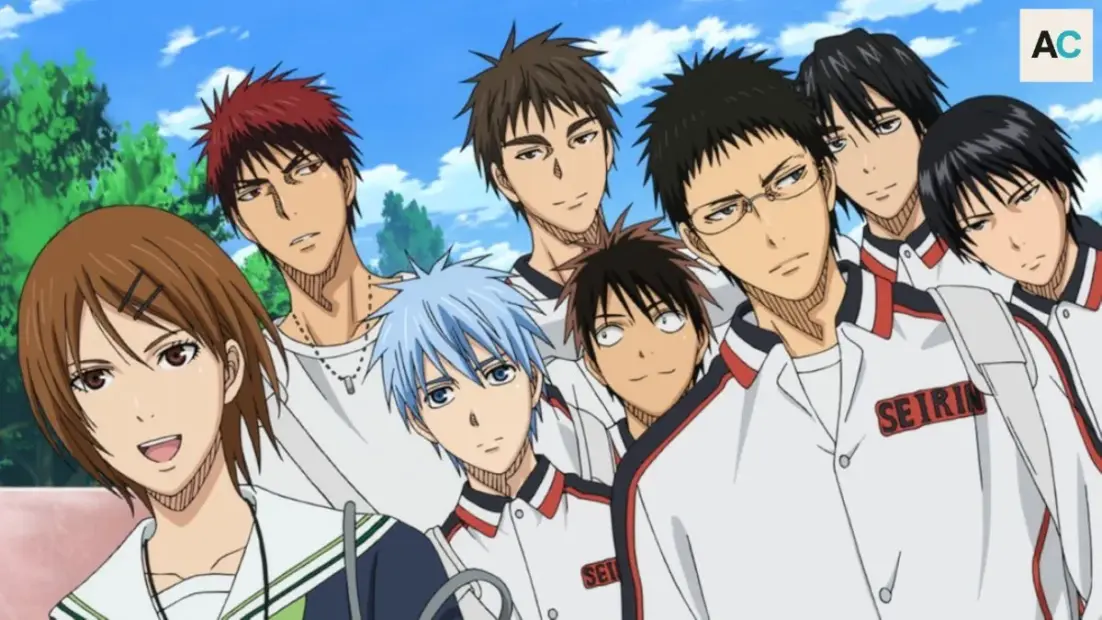
Studio: Production I.G | Episodes: 75 | MAL: ~8.19 | Year: 2012-2015
The basketball anime that proves superhuman ability and sports realism can coexist in the same compelling series. Kuroko was a phantom sixth man for Japan’s legendary “Generation of Miracles” team and joins Seirin High to prove that team-based basketball can overcome individual genius. The series doesn’t shy away from giving players abilities that border on the supernatural, but grounds each power in basketball logic that makes it feel earned.
I watched Kuroko’s Basketball during a period of heavy sports anime exploration, after Haikyuu but before Slam Dunk, and it holds its own comfortably in that company. The Shutoku matchup arc is paced with genuine tension. Aomine’s inverted copy ability in their first meeting is one of the best reveal fights in any sports anime. The Generation of Miracles as individual rival antagonists-turned-allies provides a satisfying structural backbone through all three seasons.
Watch if: You want basketball with creative special abilities and strong rivalry dynamics. Skip if: You need realistic athletic portrayal over stylized competition.
28. Tokyo Revengers
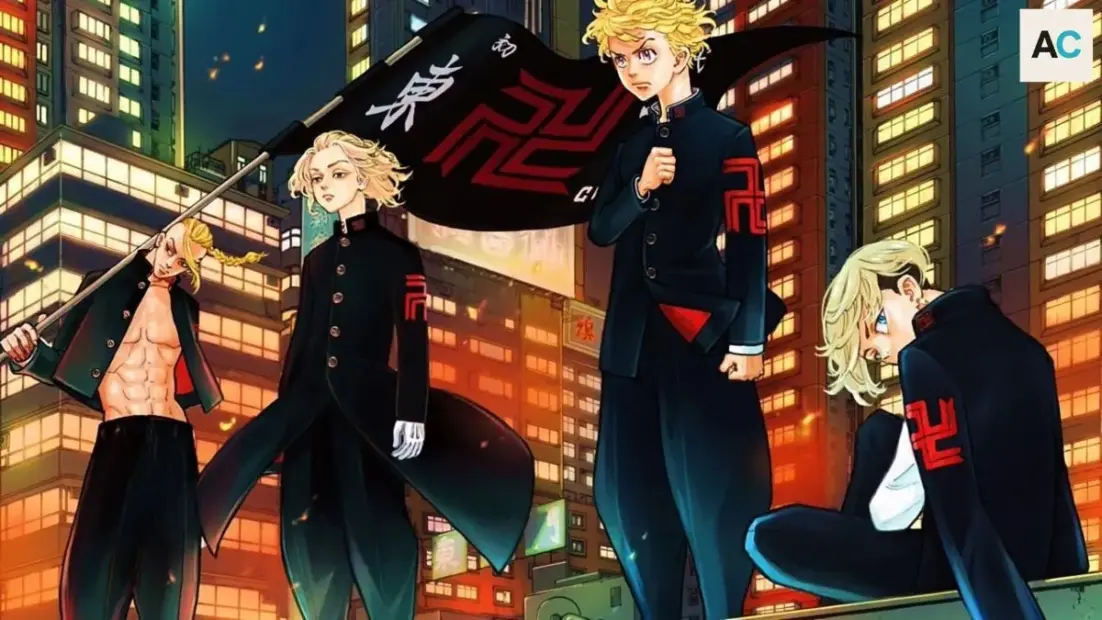
Studio: Liden Films | Episodes: 48 (first two cours) | MAL: ~7.78 | Year: 2021-2023
The time-travel delinquent gang anime that dominated anime discourse in 2021. Takemichi Hanagaki discovers he can time-travel to his middle school years and attempts to prevent the death of his former girlfriend by infiltrating the Tokyo Manji Gang. The gang war battles, faction politics, and the emotional manipulation inherent in Takemichi’s repeated timeline interventions create a surprisingly engaging loop structure.
I watched Tokyo Revengers live in 2021 and was genuinely invested despite its problems. The manga ending divided the fanbase significantly, and the anime’s adaptation of later arcs receives mixed reception. But the first arc, culminating in the Bloody Halloween battle, is exceptional delinquent gang drama. Draken’s character is one of the best side characters in any 2020s anime. The series introduced an enormous number of younger viewers to the time-travel narrative mechanic in action anime.
Watch if: You want engaging gang conflict, time-travel stakes, and emotional family dynamics. Skip if: Narrative consistency and satisfying conclusions are requirements.
29. Spy x Family
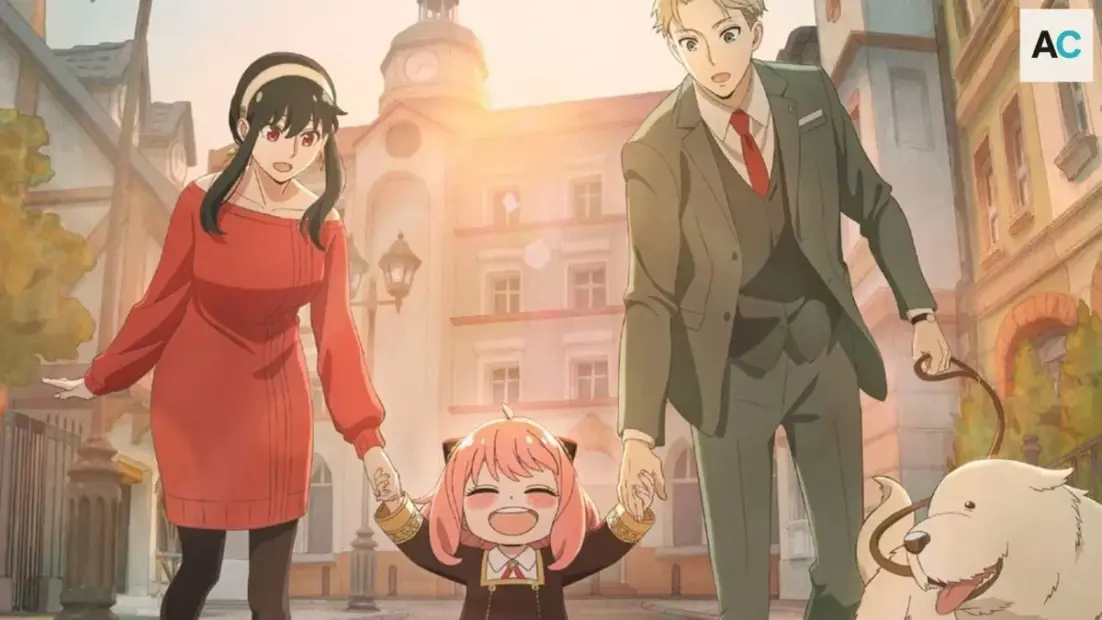
Studio: Wit / CloverWorks | Episodes: 37+ | MAL: ~8.50 | Year: 2022-present
A comedy thriller about a spy who assembles a fake family for a mission, only for that fake family to gradually become real. Loid Forger is an elite spy who needs a wife and child as cover. His “wife” Yor is secretly an assassin. His “daughter” Anya is a telepath who can read minds. Nobody knows anyone else’s secret. The concept is a comedic goldmine, but Spy x Family earns its place here through the surprising emotional sincerity beneath the comedy.
I started Spy x Family expecting a fun comedy and found something that genuinely moved me by Season 1’s conclusion. Anya’s facial expressions became one of the most memed phenomena in anime in 2022 for good reason: she’s one of the funniest and most expressive characters the genre has ever produced. The manga has sold over 35 million copies worldwide. The series continues expanding its cast and stakes while maintaining the core family warmth that made its premise work from the beginning.
Watch if: You want comedy, action, family warmth, and one of the most charming casts in recent anime. Skip if: You need narrative urgency and stakes that escalate consistently.
30. Black Clover: Sword of the Wizard King (Film)
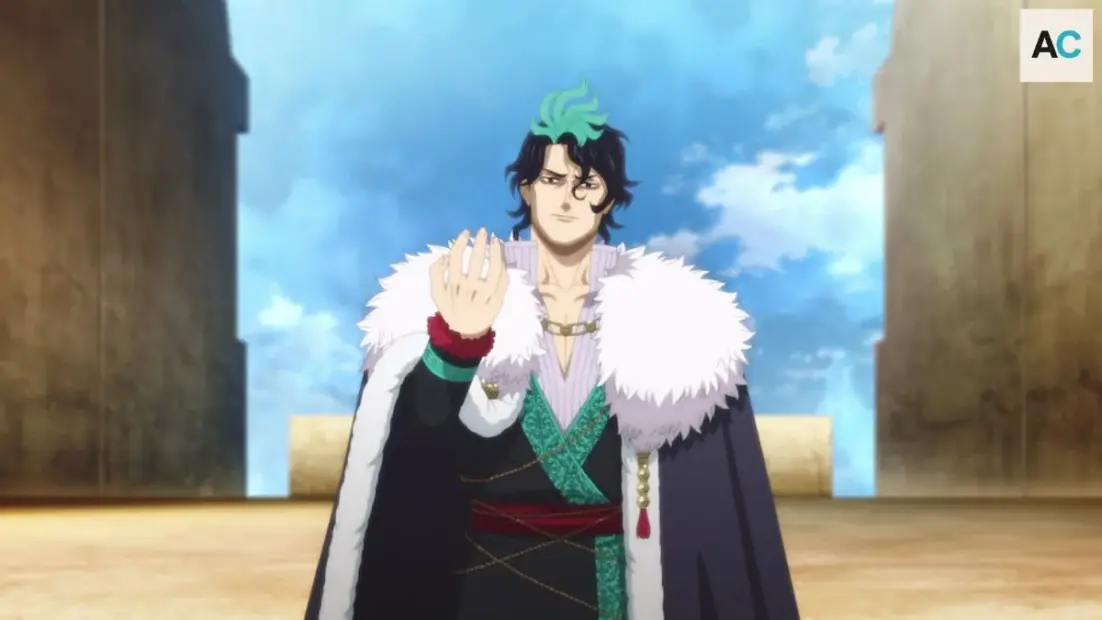
Studio: Pierrot | Runtime: 113 min | MAL: ~7.00 | Year: 2023
The Black Clover anime film that bridged the gap between the series’ TV run and the sequel manga arc. The film features past Wizard Kings resurrected by a villain and gives Asta his most significant challenge since the anime’s conclusion. The fight animation quality significantly exceeds the TV series at its best moments, showing what the franchise is capable of with a feature film budget. A strong closer to a list that aims to represent every major subgenre of modern shounen.
I watched this film after finishing all 170 episodes of the main series and found it a satisfying continuation. The final battle sequence between Asta and Conrad Leto has some of the best anti-magic visual design in the franchise. At a MAL rating of ~7.00, it’s the lowest-scored entry on this list, but it earns its spot as a representative of how far the Black Clover franchise traveled from its rough beginning episodes to a theatrical-quality production. Not the ideal starting point, but a rewarding end point for fans of the series.
Watch if: You’ve finished the Black Clover TV series and want more. Skip if: You haven’t watched the series first.
The Big Three vs The New Big Three
For years, “The Big Three” meant Naruto, One Piece, and Bleach. These three shonen giants ran simultaneously in Weekly Shonen Jump, dominated anime broadcast schedules, and defined what the genre looked like for an entire generation. All three are represented on this list for good reason. They built the structural and emotional vocabulary that every subsequent shonen series borrows from. For more context on how these series fit into the broader anime canon, our best anime series of all time guide covers rankings across all genres.
The “New Big Three” label gets applied inconsistently but typically refers to Demon Slayer, Jujutsu Kaisen, and My Hero Academia, with Chainsaw Man increasingly entering the conversation. What distinguishes the new generation from the old isn’t quality so much as pace. Modern dark shonen operates with significantly tighter episode counts, higher animation budgets, and less filler than the classic era. This changes the viewing experience fundamentally: you can watch an entire JJK arc in a weekend rather than committing to a years-long episodic television relationship.
Shounen Anime by Subgenre
Best Battle Shounen
Fullmetal Alchemist: Brotherhood, Jujutsu Kaisen, Bleach: Thousand-Year Blood War, Demon Slayer, Dragon Ball Z. These series prioritize fight sequence design, power system development, and tactical combat as their primary entertainment offering.
Best Sports Shounen
Haikyuu!!, Slam Dunk, Kuroko’s Basketball, Blue Lock. Sports anime represent a distinct subgenre where the drama of competition substitutes for conventional battle anime fights. Each title on this list demonstrates something different about how sports storytelling can be structured.
Best Dark Shounen
Chainsaw Man, Jujutsu Kaisen, Vinland Saga, Dororo, Attack on Titan. Dark shonen intentionally subverts the traditionally optimistic shounen template by introducing moral ambiguity, permanent character losses, and conclusions that don’t deliver clean victories.
Best Long-Running Shounen
One Piece, Naruto/Shippuden, Bleach, Dragon Ball Z, Gintama. Long-running serialized anime require a different relationship from the viewer, one based on sustained investment over years rather than concentrated binge-watching. Each series handles the challenge of extended storytelling differently.
How to Start Watching Shounen Anime
For complete newcomers, three entry points cover different preferences. If you want a contained, complete story with perfect execution, start with Fullmetal Alchemist: Brotherhood. If you want modern dark action with the best fight animation currently being produced, start with Demon Slayer followed by Jujutsu Kaisen. If you want the genre’s full emotional range and are prepared for a long journey, start with One Piece or Naruto.
For viewers coming from specific adjacent interests, sports fans should start with Haikyuu!!. Thriller and mystery fans should start with Death Note. Fantasy action fans looking for something outside typical shounen tropes should try Vinland Saga or Hunter x Hunter. The characters from the best shounen anime are consistently ranked among the best anime characters of all time, which gives new viewers a useful benchmark for quality before committing to a full series. For a broader view of which series defined the entire medium, our most watched anime of all time guide covers viewership data that complements these quality rankings.
Semantic Keyword Index
This guide covers all key terms within the shounen anime ecosystem: shonen anime, Weekly Shonen Jump adaptations, battle manga, power systems, Nen abilities, breathing techniques, cursed energy, Quirks, Alchemy, Stand powers, spirit detective, Devil Hunter, Demon Slayer Corps, Survey Corps, Straw Hat Pirates, Akatsuki, Tailed Beasts, Soul Reaper, Titan shifting, jutsu, chakra, protagonist growth, coming-of-age anime, friendship and rivalry themes, tournament arcs, dark fantasy anime, anime power scaling, Crunchyroll exclusives, MAL scores, anime episode counts, filler guides, sports anime, battle royale anime, isekai-adjacent series, anime world-building, shonen manga adaptations, WIT Studio, MAPPA, Bones, Ufotable, Madhouse, Production I.G, A-1 Pictures, and modern versus classic anime comparison.
Frequently Asked Questions About Shounen Anime
What is the highest-rated shounen anime of all time?
Fullmetal Alchemist: Brotherhood held the top spot on MyAnimeList for over a decade with a score around 9.09-9.11. It has been briefly surpassed by Frieren: Beyond Journey’s End and Bleach: TYBW arc scores, but Brotherhood remains the consensus pick for greatest shounen anime among longtime fans and critical communities worldwide.
What’s the difference between shounen and seinen anime?
Shounen targets the 12-18 male demographic and is published in magazines like Weekly Shonen Jump. Seinen targets adult males (18+) and is published in magazines like Weekly Young Jump or Afternoon. Many “dark shounen” series like Vinland Saga and Chainsaw Man push into themes typically associated with seinen while remaining in shonen publications.
How long does it take to watch all 30 anime on this list?
Estimated combined runtime is over 1,200 hours including all episodes and films. One Piece alone accounts for approximately 450+ hours at its current episode count. Excluding the longest-running serialized series (One Piece, Naruto Shippuden, Gintama, Bleach), the remaining titles total roughly 400 hours.
What shounen anime is best for someone who just started watching anime?
Demon Slayer is the most accessible entry point for new viewers. Short season lengths, stunning visual presentation, straightforward emotional premise, and availability on Netflix and Crunchyroll make it the easiest series to recommend without prior anime knowledge. Fullmetal Alchemist: Brotherhood is the second recommendation for viewers who want narrative depth from the start.
Is Hunter x Hunter finished?
The 2011 anime adaptation ends at Chapter 339 of the manga, mid-story during the Succession War arc. Yoshihiro Togashi resumed the manga in 2022 after a multi-year hiatus due to health issues and is slowly continuing it. A new anime arc is expected once sufficient manga chapters exist to adapt. The story remains unfinished as of 2026.
What’s the best shounen anime for people who don’t like fighting?
Haikyuu!! channels shounen energy and narrative intensity into sports competition without supernatural combat. Death Note sustains 37 episodes of psychological tension without a single fight sequence. Spy x Family delivers shounen action in light doses within a primarily comedic and heartwarming framework. Gintama uses its fight sequences as emotional punctuation within primarily comedic storytelling.
Which Studio produces the best shounen anime?
Ufotable is widely considered the benchmark for visual quality, known for Demon Slayer’s animation. Bones is recognized for thematic depth and consistent production quality across FMA: Brotherhood, Mob Psycho 100, and Noragami. MAPPA has emerged as the most technically impressive studio for modern dark shounen with JJK and Chainsaw Man. Madhouse is the historic gold standard for Hunter x Hunter and Death Note.
Why does Shounen anime appeal to adult viewers?
The genre’s core themes, personal growth, choosing your own path despite external pressure, the cost of power, the value of loyalty and friendship, and the question of what you’re willing to sacrifice for your goals, are universal rather than age-specific. The best shounen anime use action and adventure as metaphors for real human experiences that resonate across every life stage. That’s why series like FMA: Brotherhood, Hunter x Hunter, and Vinland Saga have substantial adult fanbases despite their demographic categorization.
Keep Watching
Thirty anime. Thousands of episodes. Decades of creative output from some of the most talented storytellers and animators in the world. The best shounen anime of all time aren’t just entertainment. They’re the shared cultural vocabulary of an entire global generation that grew up watching Goku train, Naruto fail forward, and Asta scream his way through every obstacle. Every one of these series left something permanent in me as a viewer, a fight scene I still think about, a character death that hit harder than real loss sometimes does, a moment of genuine inspiration that arrived through the medium of animated Japanese television.
Whether you’re starting from scratch or filling gaps in your existing watchlist, the 30 titles on this list represent the absolute best this genre has produced across six decades of storytelling. Pick one, start watching, and then come back. There’s always another series worth discovering in the world of shounen anime.
Which shounen anime changed the way you see the genre forever? Drop your pick in the comments!
