Copyright © 2025 - animecrisp.com
All rights reserved
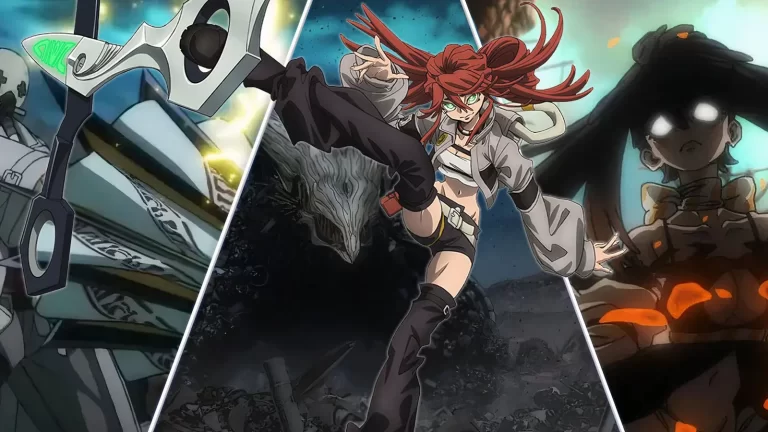
The world of Gachiakuta is unforgiving. Beyond the immediate threat of falling into the Abyss, the environment itself is hostile. The creatures inhabiting this lower world are not natural animals. They are mutated beings, twisted by centuries of environmental decay and exposure to chaotic energy. These entities range from small pests to building-sized monstrosities that define the danger of the trash-filled wasteland.
To understand the threats Rudo and the Cleaners face, we must categorize these beasts. This ranking system looks at threat classification, physical advantages, general aggressiveness, and their involvement in major lethal encounters. Note that this list only includes currently documented species found within the known sectors of the pit.
Top 10 Creatures in Gachiakuta
10. Scrap Rats
Scrap Rats serve as the bottom feeders of the Abyss, but they are far from harmless. These are not ordinary rodents. They have adapted to a diet of refuse and rusted metal, resulting in hardened teeth capable of chewing through wiring and basic protective gear. While a single Scrap Rat poses little threat to a wielder of a Jinki, they rarely travel alone.
Their danger lies in their numbers and their environment. Known for rapid movement in tight spaces, they swarm deeper tunnels where larger predators cannot reach. A swarm can strip a wounded fighter to the bone in minutes. They are opportunistic scavengers that overwhelm targets through sheer volume and speed, making them a constant, nagging danger in the lower zones.
9. Junk Crows
The sky in the lower world offers no safety. Junk Crows are avian mutations that have incorporated debris into their biology. Their feathers possess the density and sharpness of scrap metal, acting as natural blades. Unlike normal birds, they do not merely scavenge; they hunt.
These creatures are capable of mid-air harassment, dive-bombing travelers with high velocity. Their metallic wings grant them protection against light projectiles, and their talons are strong enough to grip and tear through leather armor. They often target the eyes or unarmored joints of their prey. Fighting them requires vertical awareness, as they exploit the cluttered verticality of trash mountains to strike from blind spots.
8. Rust Shell Beetles
Durability is a massive advantage in combat, and the Rust Shell Beetle is a walking tank. These insects have evolved a thick, external carapace that mimics the properties of oxidized iron. This armor makes them incredibly difficult to damage with standard bladed weapons or blunt force.
They are slow-moving but relentless. A Rust Shell Beetle does not need to be fast; it simply outlasts its opponent. They act as territorial roadblocks in narrow passages. To defeat one, a fighter usually needs a piercing attack concentrated on the softer underbelly or joints. Their mandibles can crush stone, meaning that getting close enough to find a weak point is a high-risk maneuver for any scavenger.
7. Abyss Serpents
In the low-visibility zones of the wasteland, the Abyss Serpent is the apex ambusher. These creatures possess long, muscular body structures covered in scales that mimic the texture of wet trash and mud. This natural camouflage allows them to lie in wait for days until prey walks within striking distance.
Their primary asset is speed. Despite their size, they can lunge with blinding quickness. They wrap around targets to crush them or strike with venomous fangs. Their venom is necrotic, designed to break down organic matter quickly for digestion. Encountering an Abyss Serpent usually happens before you even see it, making high sensory awareness a requirement for survival in the damp sectors.
6. Iron Tusk Boars
If the Abyss Serpent is the assassin, the Iron Tusk Boar is the battering ram. These four-legged beasts are defined by their heavy charge force. They possess immense muscle density and a skeletal structure reinforced by heavy metal deposits from their diet.
Their tusks are jagged protrusions of bone and steel, capable of goring through barricades and light vehicles. An Iron Tusk Boar does not use strategy. It identifies a threat and charges in a straight line with enough momentum to shatter concrete. Blocking an attack from this creature is often fatal; the only viable strategy is evasion. They represent the brute force of the Gachiakuta ecosystem.
5. Magnetic Pulse Hounds
The Magnetic Pulse Hound represents a terrifying evolutionary leap. As the name suggests, these canine-like mutants emit biological magnetic bursts. In a world where Jinki (weapons) and armor are heavily reliant on metal, this ability is a hard counter to many fighters.
These hounds hunt in packs and coordinate their pulses to disrupt their prey. A burst can make a weapon too heavy to lift or repel a swing mid-combat. Beyond this unique ability, they have sharp claws and high stamina. They are difficult to hit because they disrupt the very tools used to kill them. This makes them a priority target for any group of Cleaners venturing into their territory.
4. Camouflage Scrap Lizards
The Camouflage Scrap Lizard is the master of stealth. Unlike the Abyss Serpent, which relies on dark environments, this lizard can blend into complex surroundings in broad daylight. Its skin shifts color and texture to match the piles of garbage, rusted iron, and colorful plastics of the landscape.
They possess strong predatory instincts and high intelligence. They will often stalk a target for miles, waiting for exhaustion to set in. Their attack style is precise, aiming for the throat or tendons to disable movement instantly. You verify their presence usually only after they have already struck. They are the primary reason why traveling alone in the Abyss is considered a death sentence.
3. Sonic Fang Bats
Sound is a weapon in the deep caves of the lower world. Sonic Fang Bats are large, flying predators that generate powerful sound waves. These waves are not just for echolocation; they are offensive tools. A focused scream from a Sonic Fang Bat can rupture eardrums and cause severe vertigo.
Effective at disorienting fighters, they render highly skilled warriors helpless by removing their sense of balance. Once the target is incapacitated by the sonic blast, the bat swoops in to finish the job. Their physical bite is dangerous, but their true threat level comes from their ability to neutralize a fighter’s ability to react. Group encounters with these bats can wipe out entire squads without a single physical blow being landed initially.
2. Containment Beasts
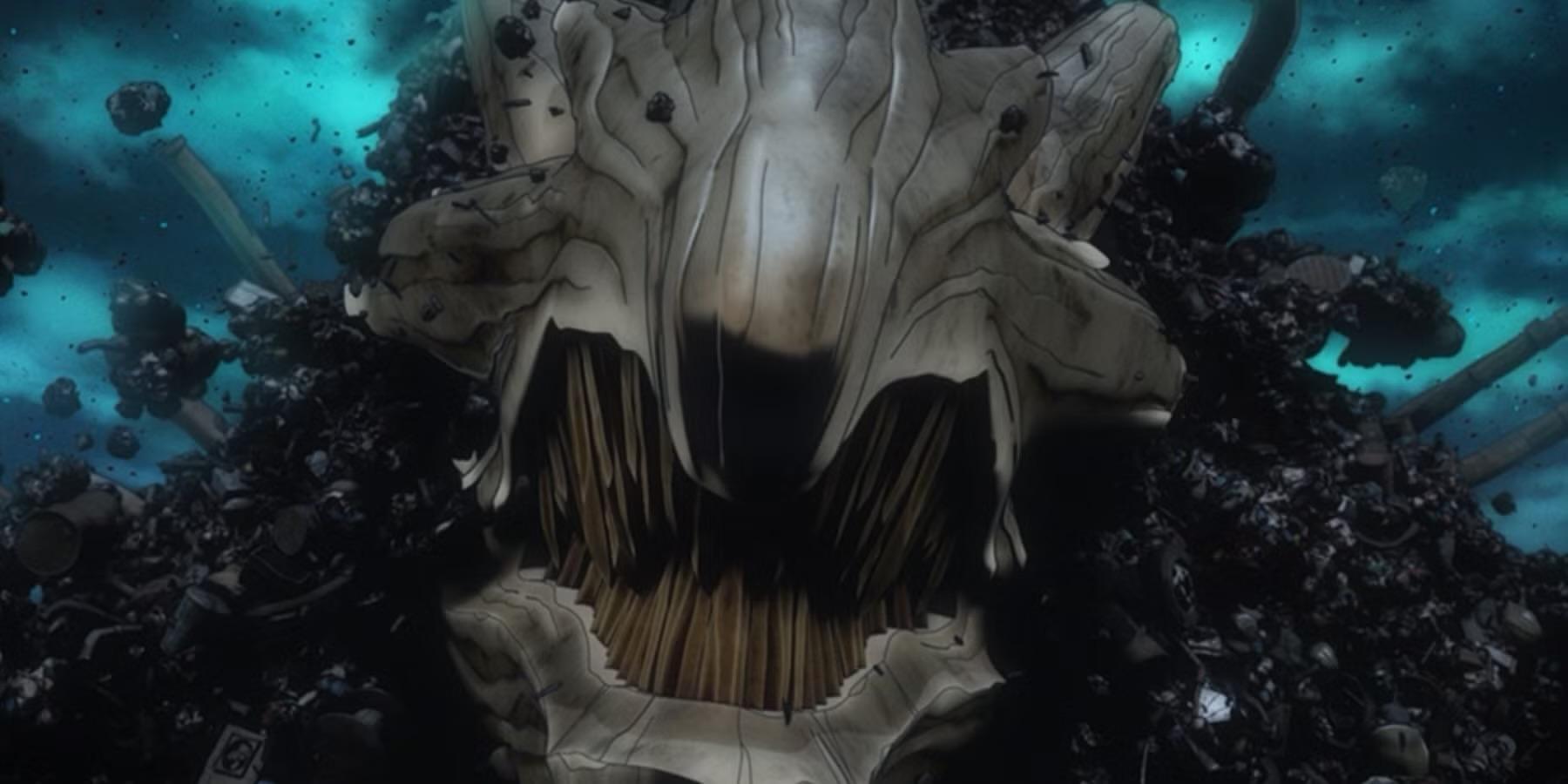
Containment Beasts differ from natural mutations. These are large, multi-form entities that originate from breached experimentation sites or areas with high concentrations of toxic runoff. They are unstable, unpredictable, and massive. They often possess multiple limbs, irregular growth patterns, and a complete lack of self-preservation instincts.
Their threat level is tied to their high destructive capacity. A Containment Beast can level a settlement simply by thrashing around. They spew corrosive fluids and possess regenerative capabilities that make them hard to kill permanently. Dealing with one requires heavy artillery or high-level Jinki attacks. They are walking biological disasters that alter the map wherever they roam.
1. Apex Mutant Titan
Standing at the top of the food chain is the Apex Mutant Titan. This is the most dangerous confirmed creature in the records. It is not just an animal; it is a force of nature. The Titan possesses extreme size, towering over buildings, and physical strength that defies logic.
Its skin is impervious to most attacks, and it radiates an aura of dread that paralyzes weaker fighters. The Titan is capable of large-scale environmental destruction, reshaping the terrain during its rampages. It has no natural predators. When an Apex Mutant Titan wakes, evacuation is the only standard protocol. It represents the ultimate hostility of the Gachiakuta world—a monster that cannot be tamed, only survived.
Additional Notes
It is important to remember that this ranking uses currently known biology and combat records from the Cleaners. The Abyss is vast, and many sectors remain uncharted. The creatures listed here are those that have been documented and survived.
New species may appear in deeper, unexplored zones. As Rudo and his allies push further into the unknown, they will likely encounter beasts that defy current classifications. The mutation rate in the lower world suggests that the ecosystem is constantly evolving, creating deadlier threats every cycle.
Conclusion
The mutated creatures of the lower world are essential to the atmosphere of Gachiakuta. They serve as a constant reminder that this world is broken and hostile. These monsters enhance the tension of the story, forcing characters to rely on their wits and Jinki to survive another day.
The stakes are always high when the environment itself is trying to kill you. Readers should keep a close eye on future chapters, as new monster introductions will undoubtedly shift the power dynamics and rankings of this dangerous world.